Malmesbury and Cirencester
On Sunday, we drove from Heathrow to Cirencester, making a quick stop in Malmesbury along the way. Malmesbury Abbey was the primary sight here, and the stop gave us our very first glimpse of the classic Cotswold-style stone walls alongside some nice initial views of the countryside.

Cirencester served as our base for three nights, and a pleasant spot to explore as well. On two of our evenings, we went for a post-dinner walk around the Abbey grounds.

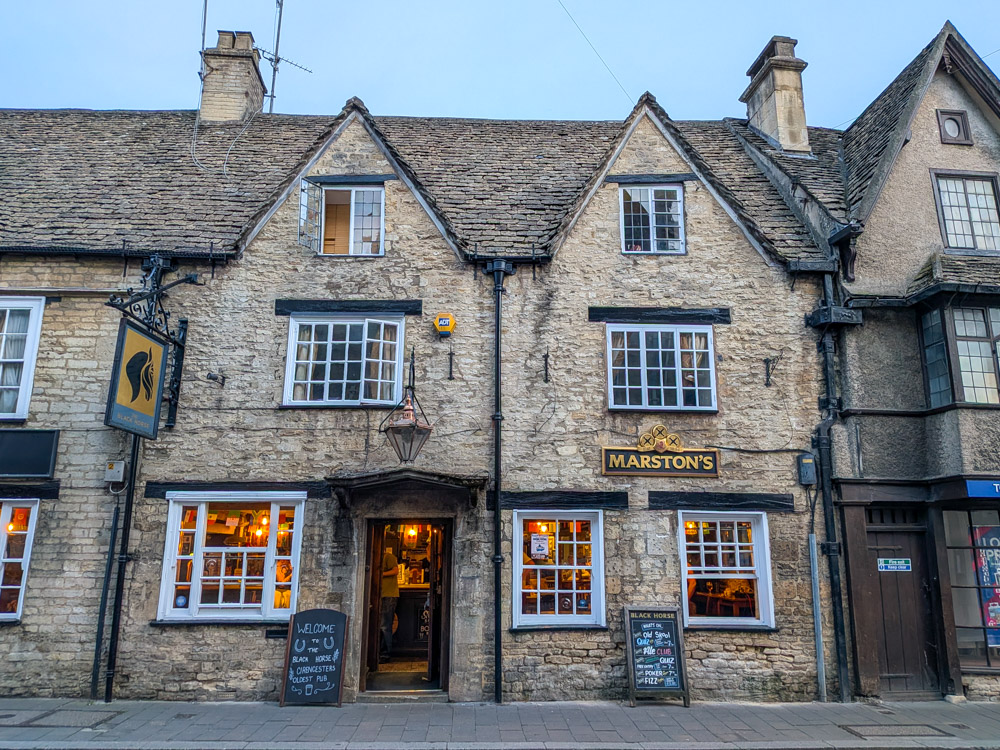


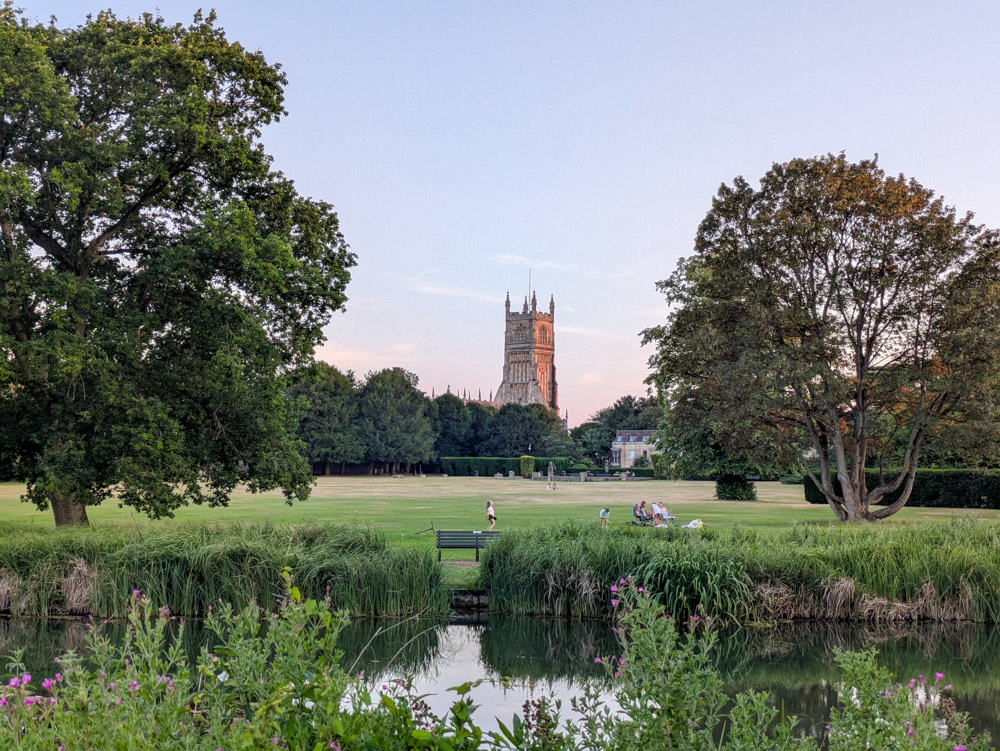
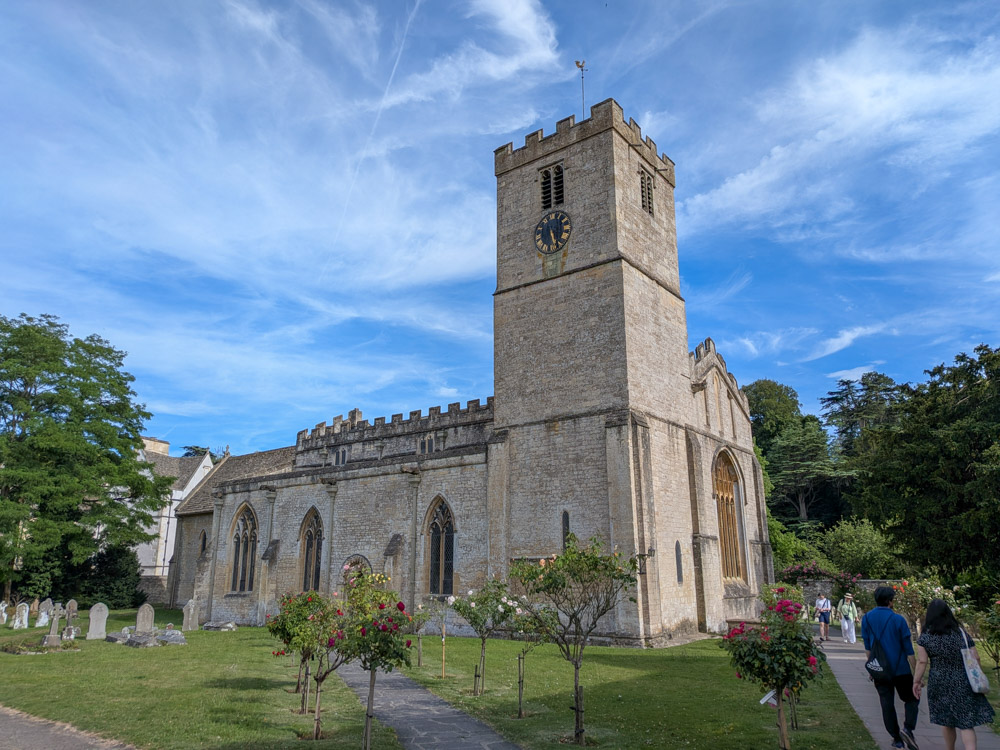
Right in the center of the town stands the Church of St. John the Baptist. Inside, the 12th-century building features beautiful ceilings, both carved wood and ornate stone in the side chapel. It’s very much an active, working church with several local meetings happening inside whilst we were there.


Painswick, Gloucester, and Bibury
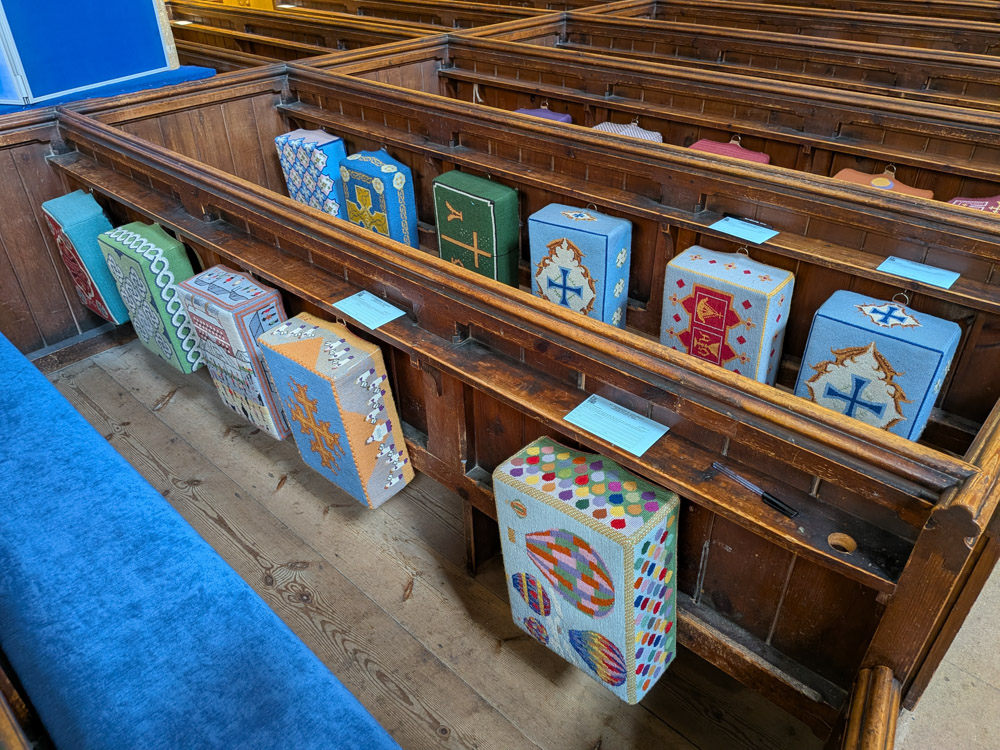
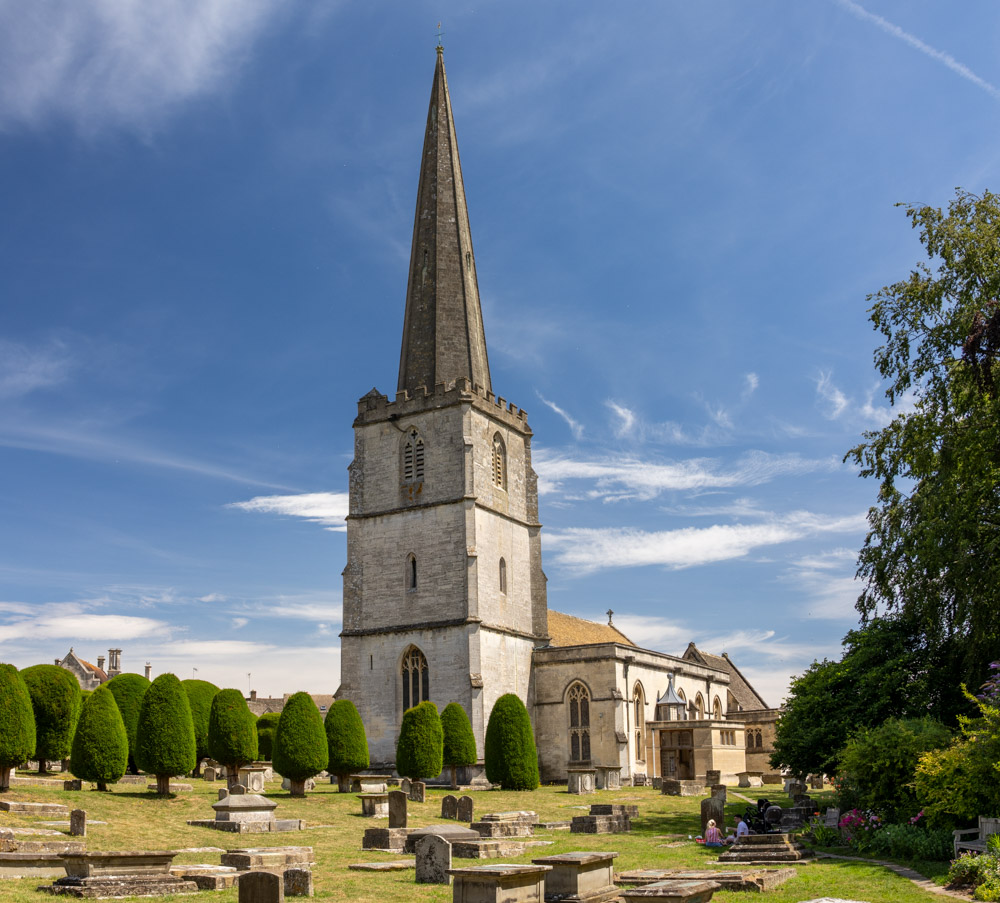
On Monday, we set out to visit three nearby towns. First up was Painswick to see St. Mary’s Church, which has a lovely spire and is famous for its 99 clipped yew trees scattered across the churchyard. Inside, we noticed quaint needlepoint kneeling pillows, each unique and handmade by women in the parish. The town was very quiet, and parking was completely free – at least for this summer!

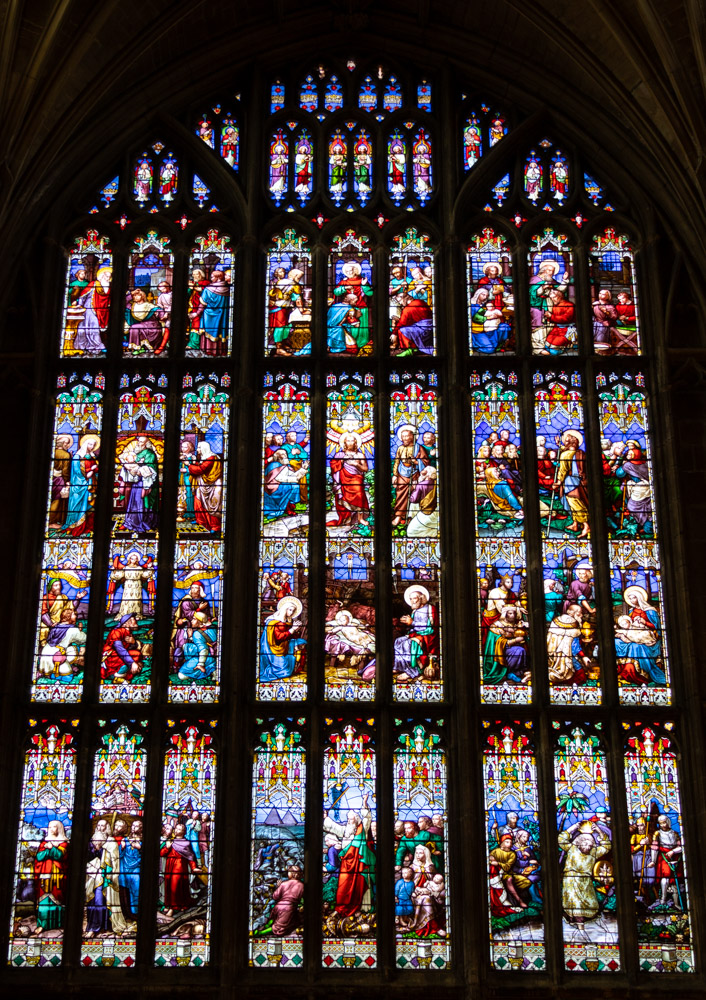
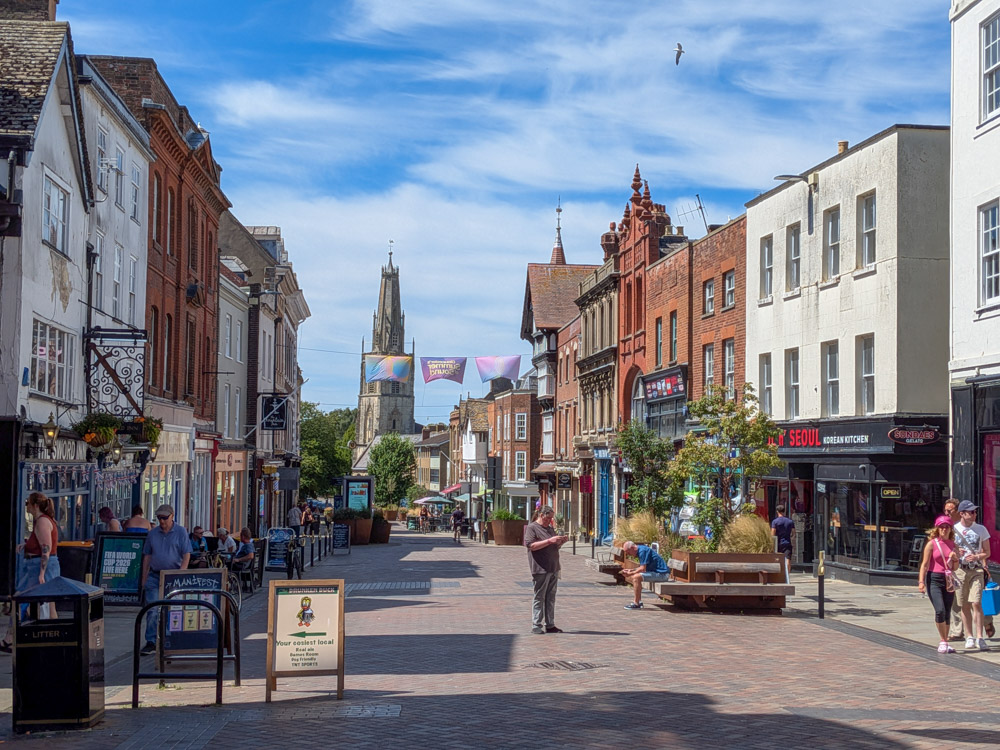
Next was Gloucester, primarily to see the 11th-century Gloucester Cathedral, which houses the tomb of King Edward II. They allow a lot of access throughout the building, even letting visitors walk right across the main altar area, making for a great experience. The stained glass is incredible, and the cloisters area stunning. There is a £5 suggested donation to enter, and it was well worth it, this is a top-10 cathedral for us.



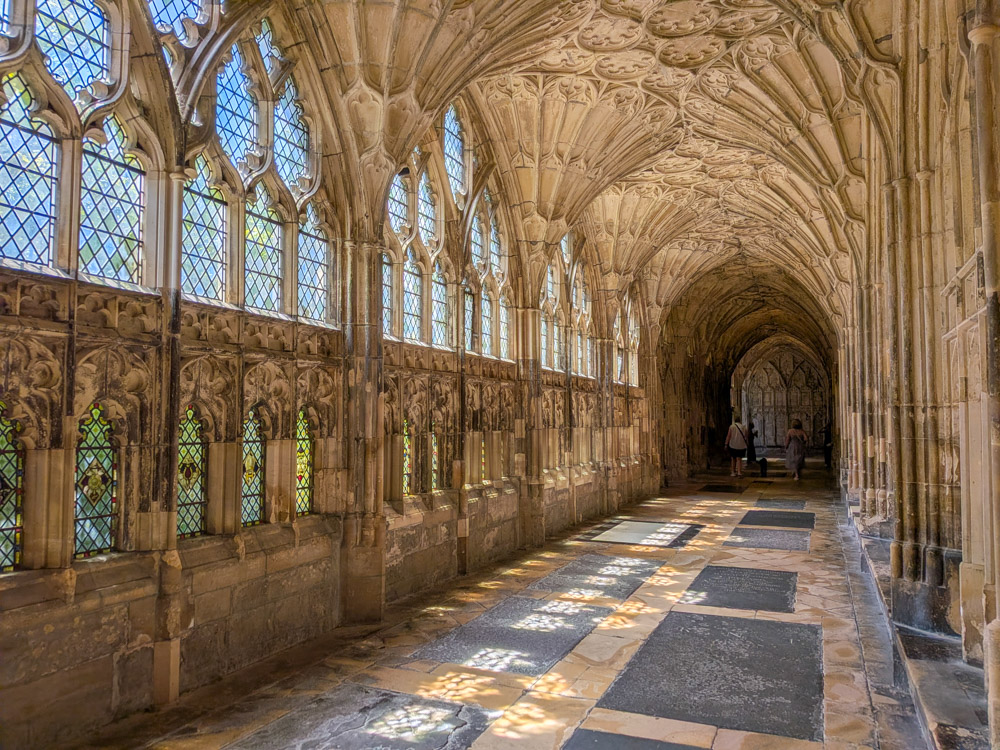
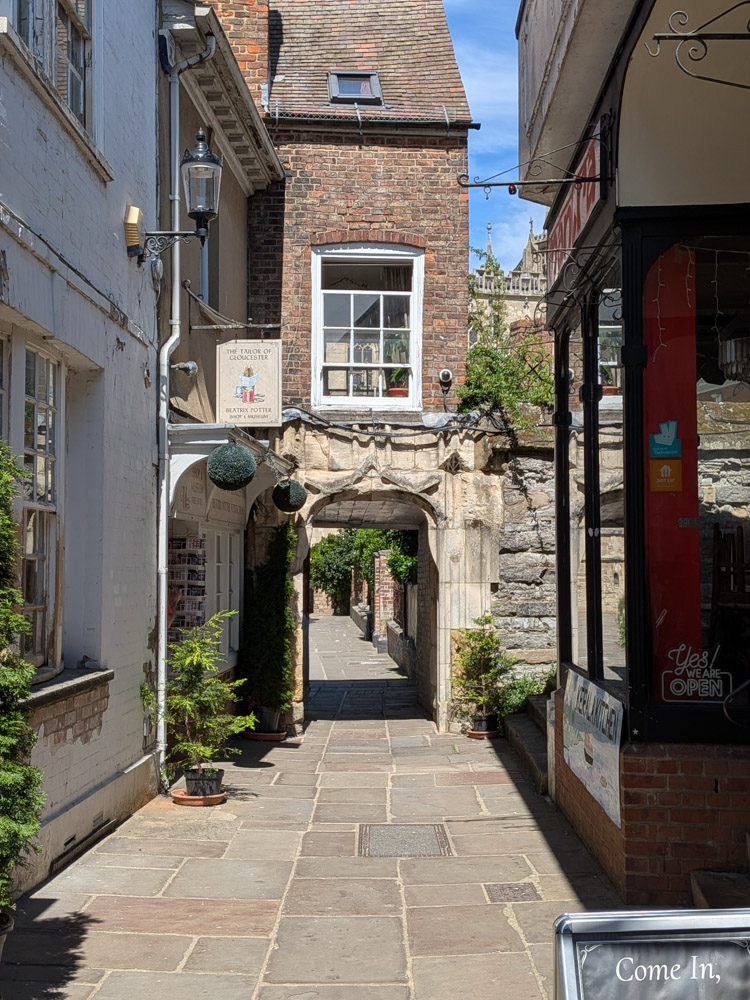
Afterward, we took a brief walk along to see the Folk of Gloucester building (a 500-year-old Tudor merchant’s house) and the building that inspired Beatrix Potter’s The Tailor of Gloucester.
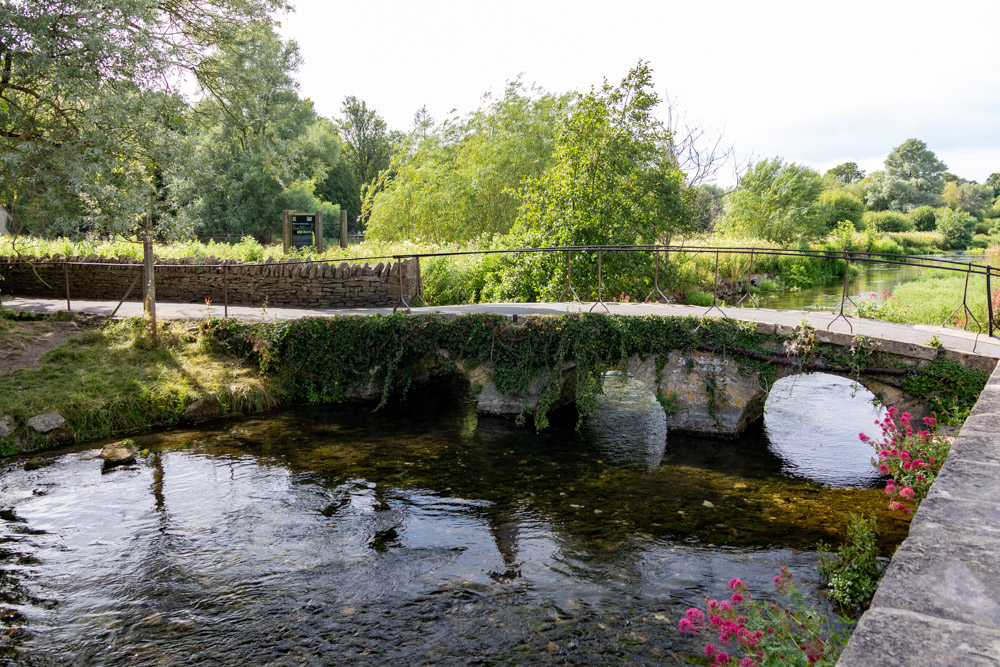
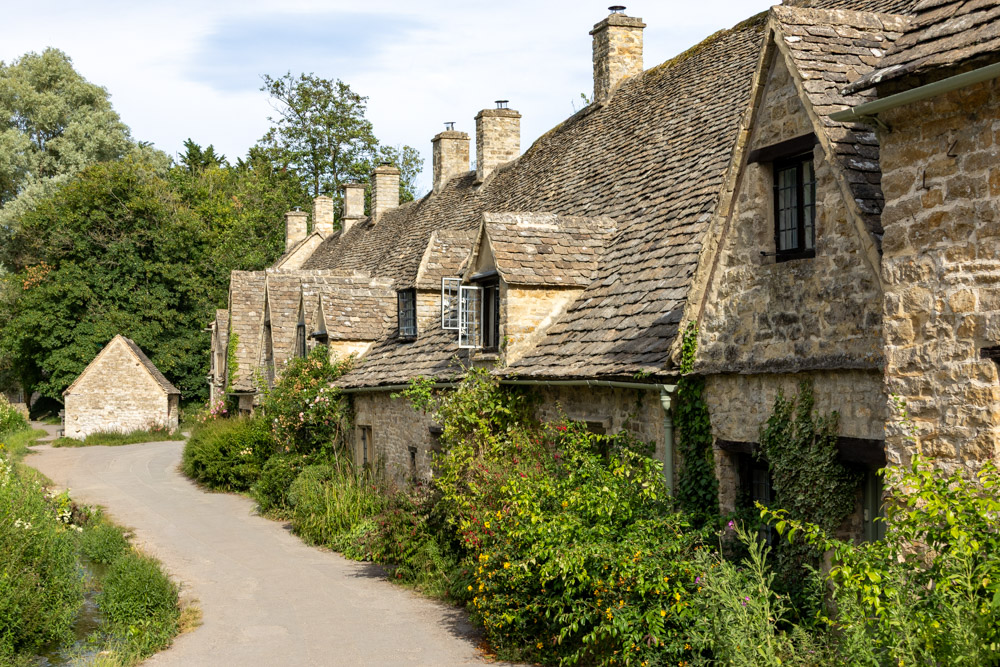
We finished the day driving to Bibury along several narrow country roads. Perhaps unsurprisingly, the town was still quite busy when we arrived around 5:00 PM, but we managed to find a parking spot close to the crossroads. A stream running along the road was crystal clear, though there was a decent amount of floating algae. We stopped in at the 11th-century St. Mary’s Church before walking back toward the bridge and the historic weavers’ cottages on Arlington Row. The area is fairly small and was just OK in terms of photos, but worth a quick look if you can go early or late in the day.

Bourton-on-the-Water, Lower Slaughter, and Stow-on-the-Wold
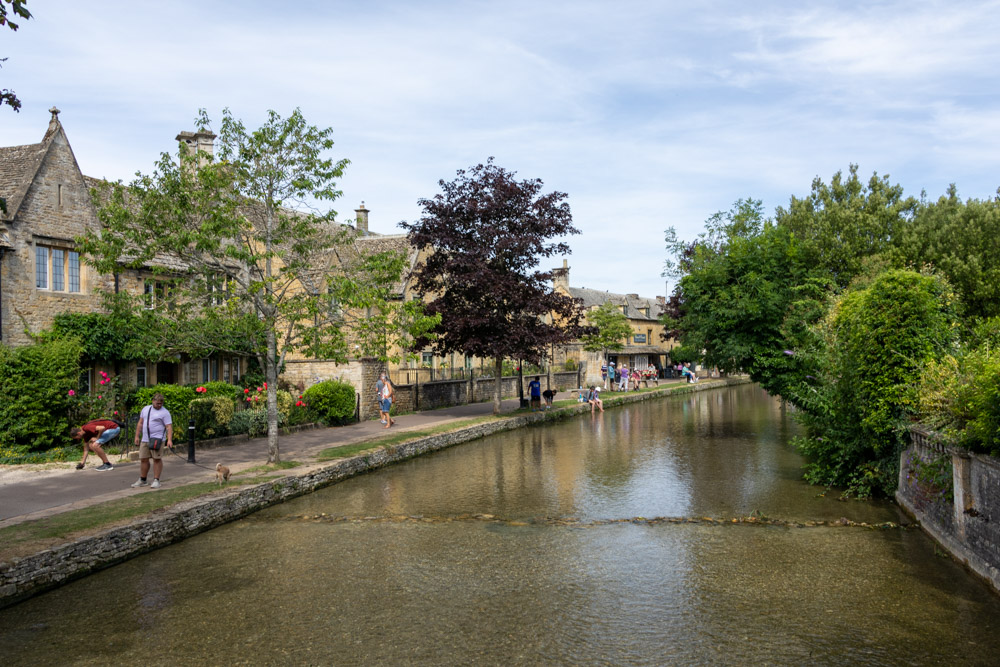
On Tuesday, we visited three more towns starting with Bourton-on-the-Water. We arrived right around 10:00 AM and parked in the main Bourton Vale Car Park lot. Best known for its series of low stone bridges crossing a clear stream and its charming cottage gardens, it was already somewhat busy with people finishing up breakfast at the central cafes.
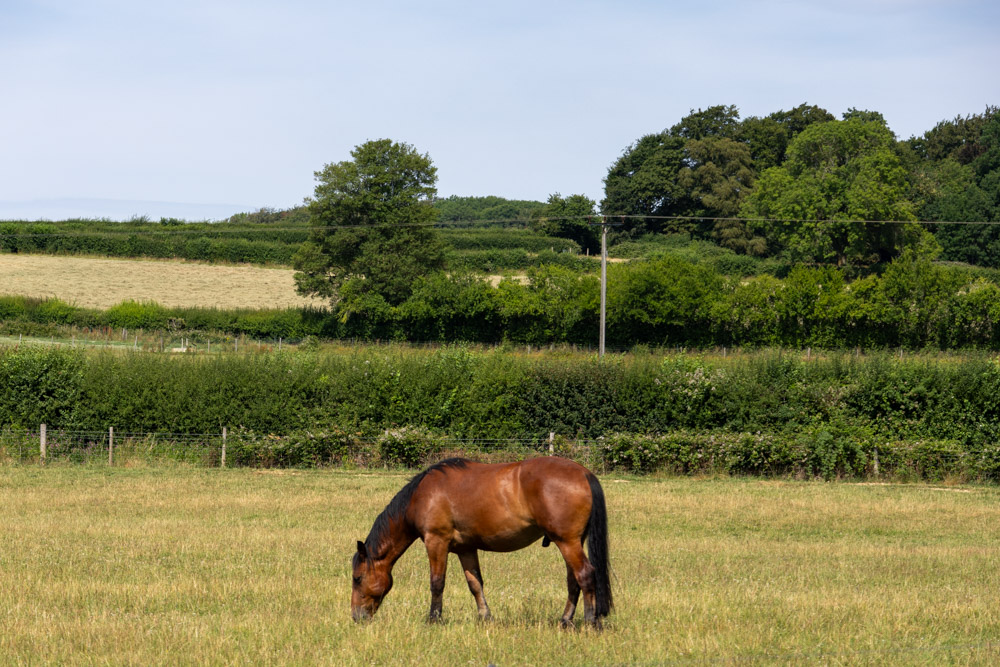
Since Lower Slaughter has minimal parking and sits only about 1.5 miles away, our plan was to walk between the two. On the way out of town, we passed the Church of St. Lawrence, then walked along a relatively busy and sunny stretch of road before turning onto a much more shaded horse path.

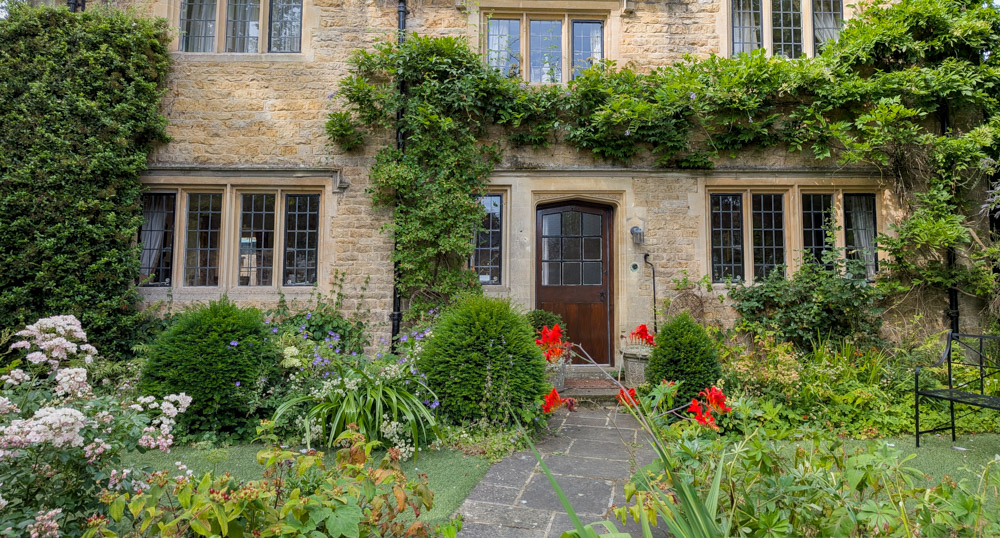
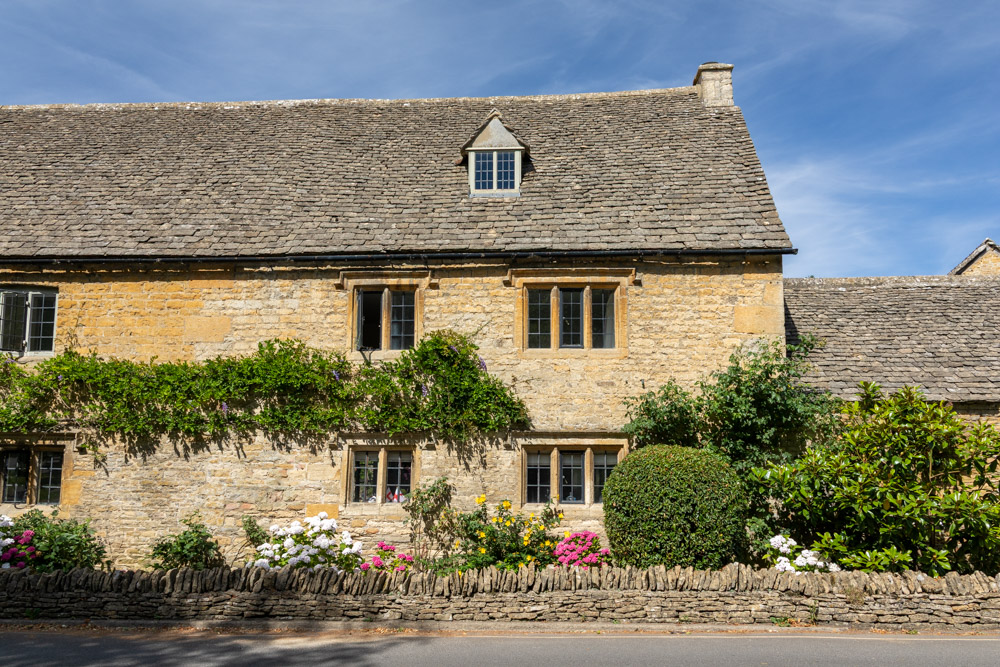
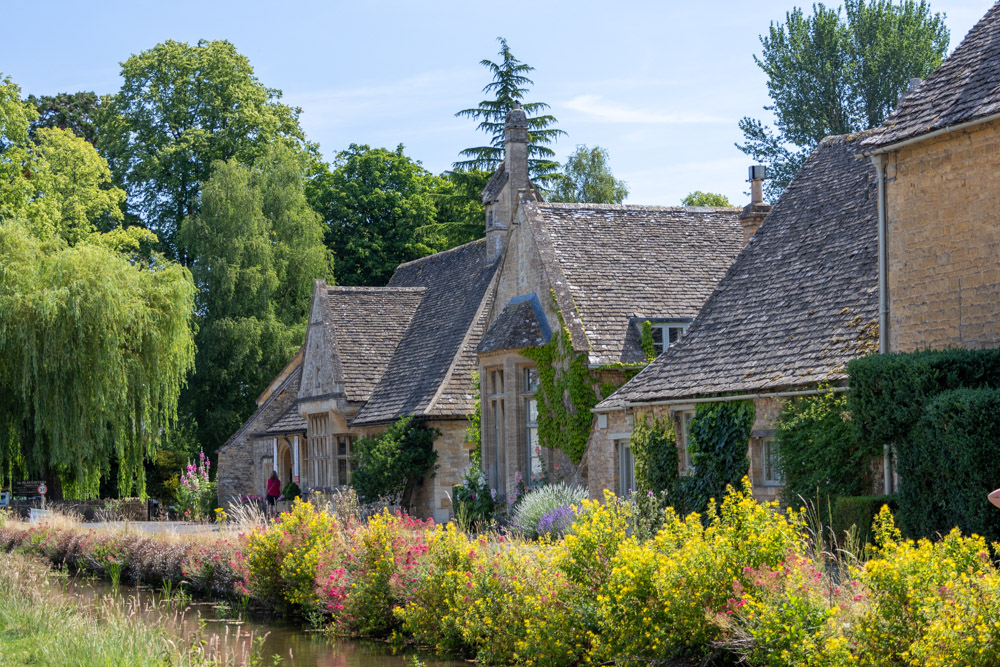
Lower Slaughter is famous for its quaint stone homes and the fact that no new buildings have been constructed there since 1906. It’s definitely charming, especially the lush cottage gardens lining the path.

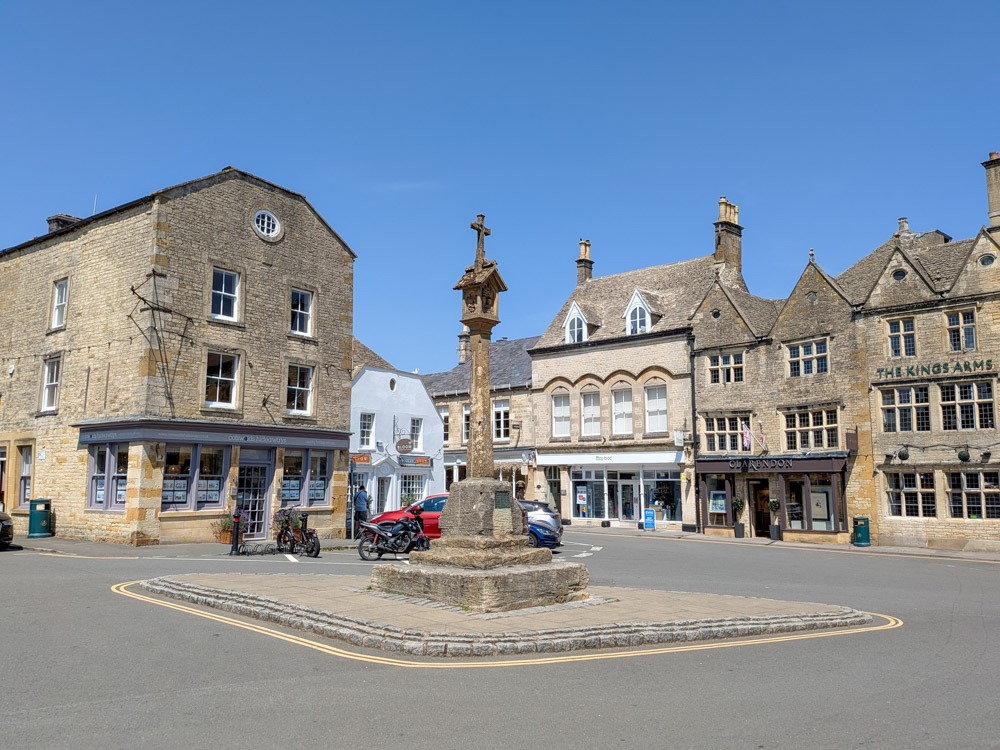
From there, Stow-on-the-Wold was our destination for lunch. After eating, we walked around briefly, making our way to St. Edward’s Church to see the famous back door framed by two ancient yew trees. By this point, it was nearly 3:00 PM, the day was warm and the sun was getting very strong, so we decided to head back and relax for the rest of the afternoon.