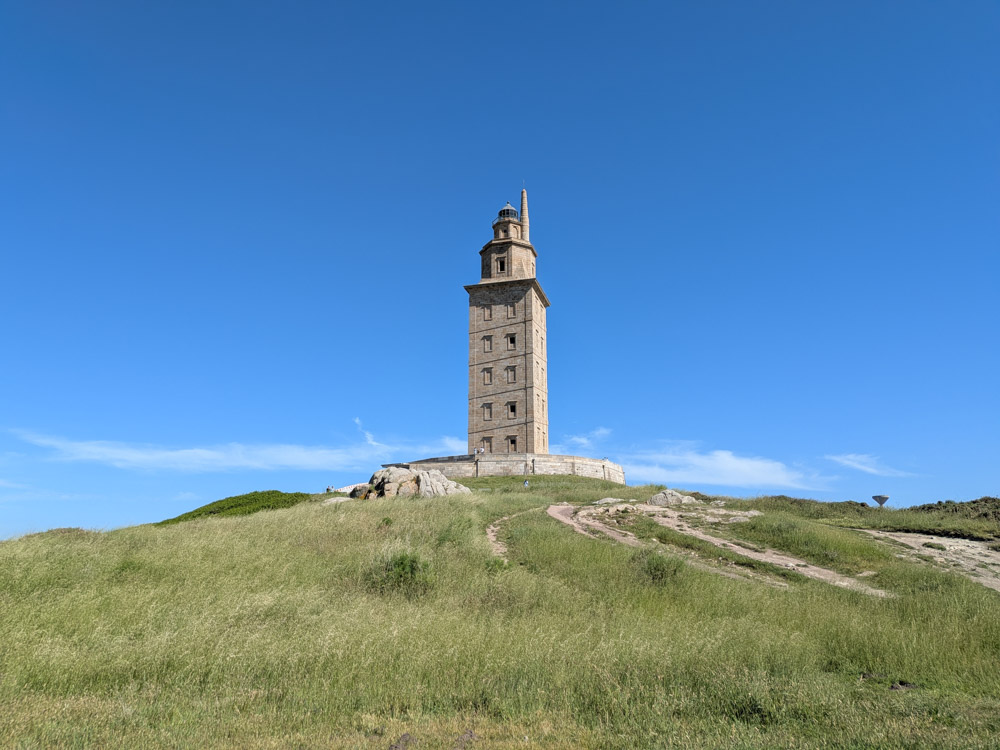
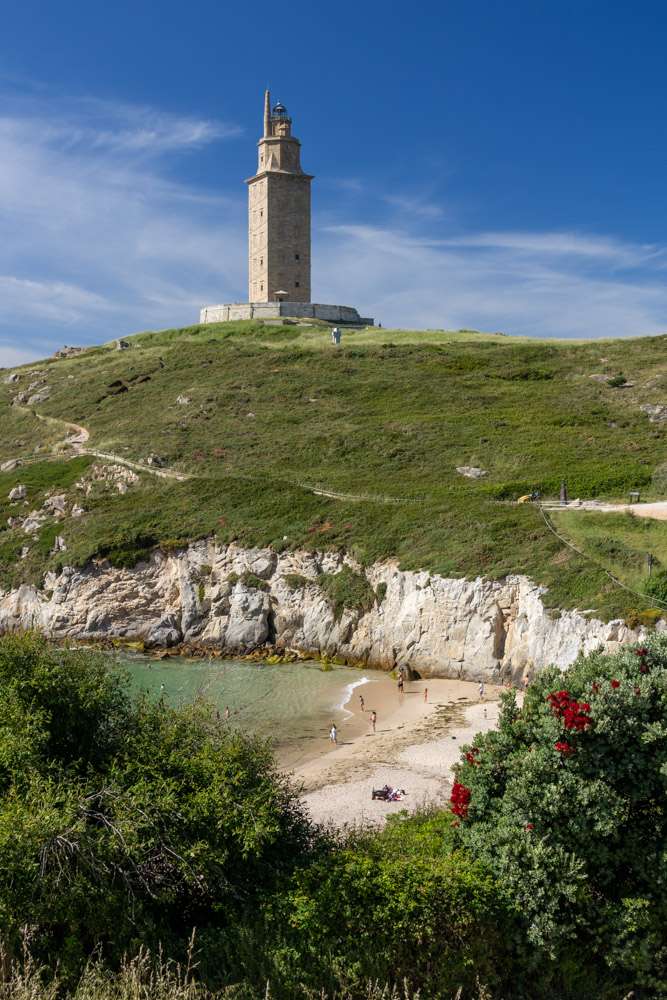
A Coruña is a beautiful port city, known for the “oldest known extant Roman lighthouse” (the Tower of Hercules), plus a long coastal promenade (13km!), beautiful beaches, and fresh seafood. All of which we explored during our week here.
Hercules Park
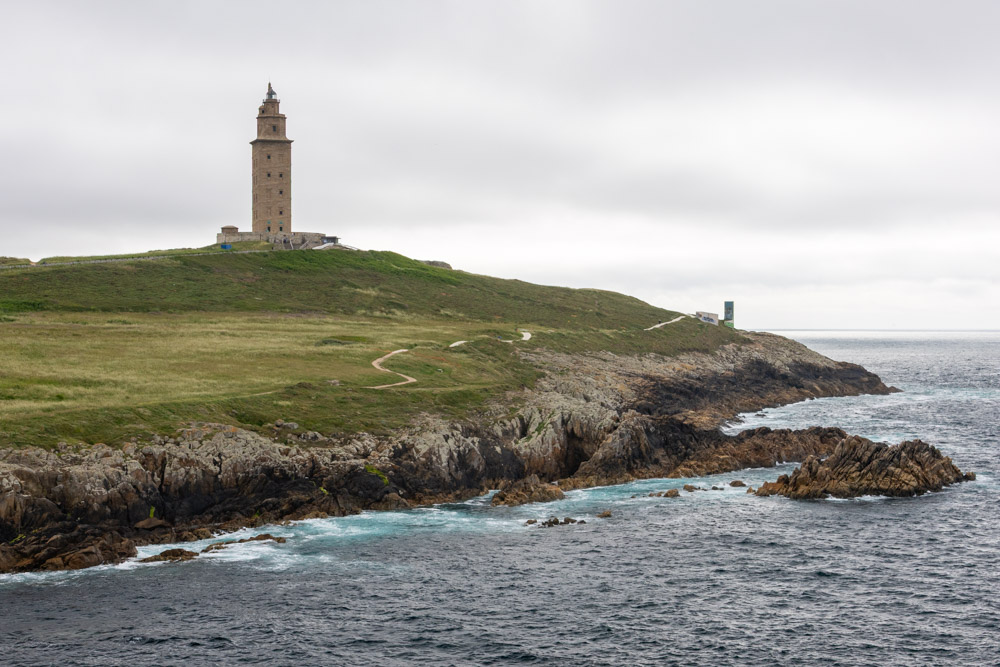
From our apartment, it was about a 30 minute walk to the famous Hercules tower.
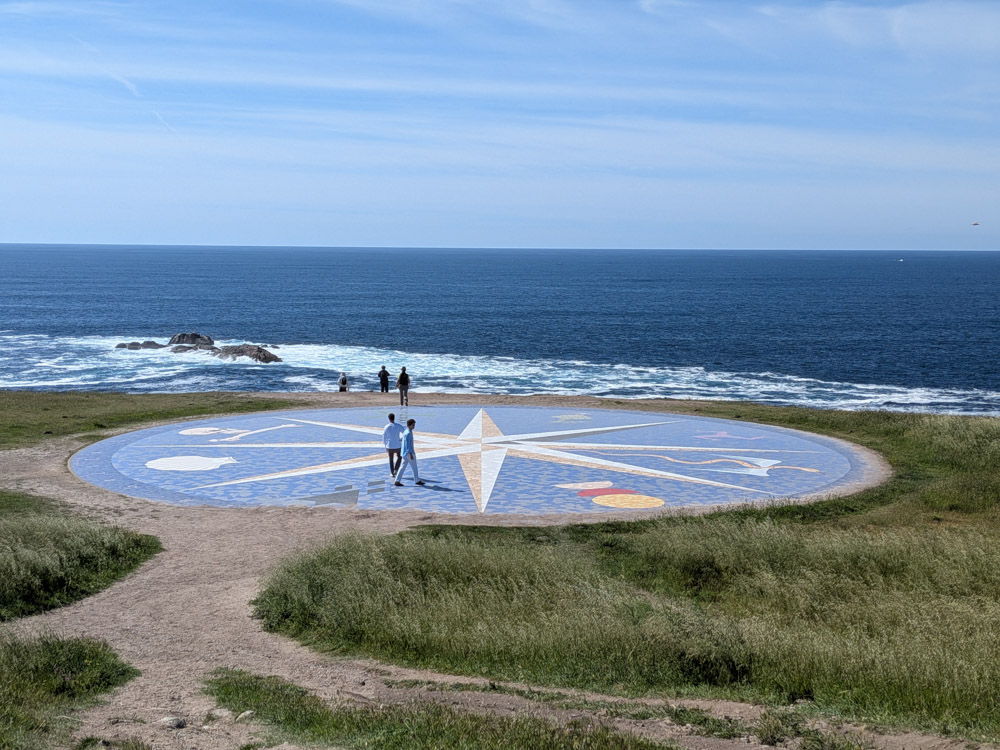
There are beautiful views of the coastline from the park, making the uphill climb to the tower more tolerable. We explored around the tower and then wandered over to the Celtic Rose mosaic.
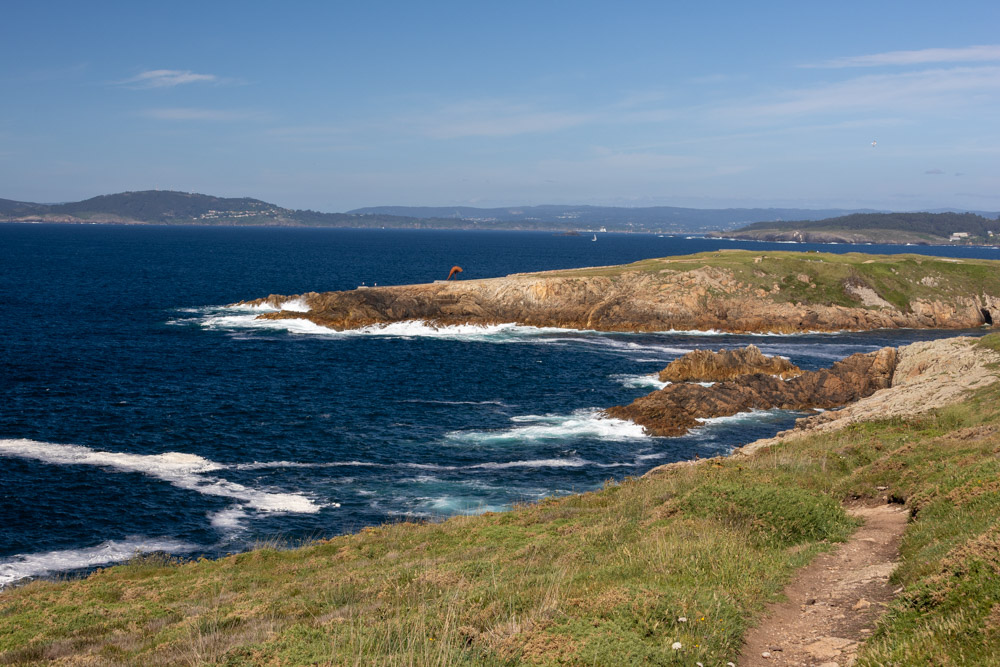
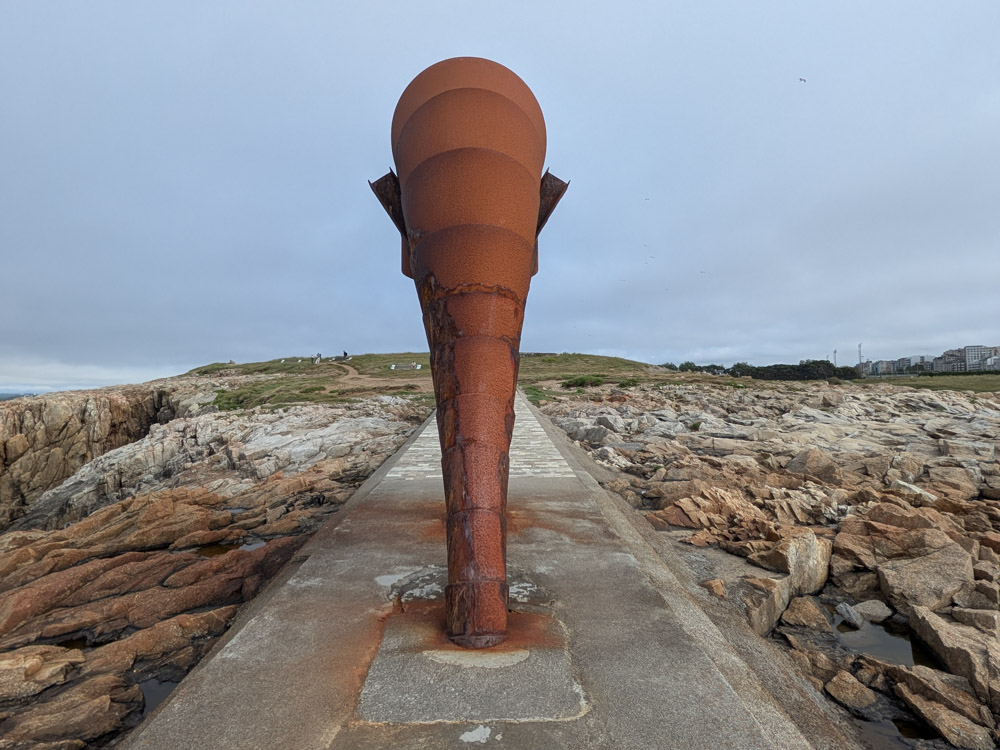
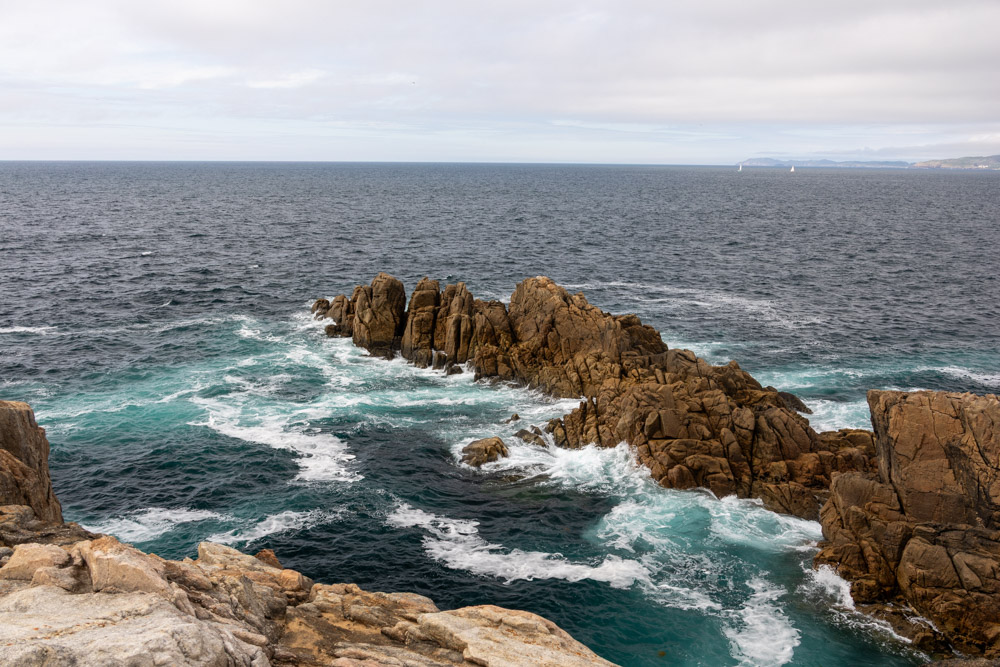
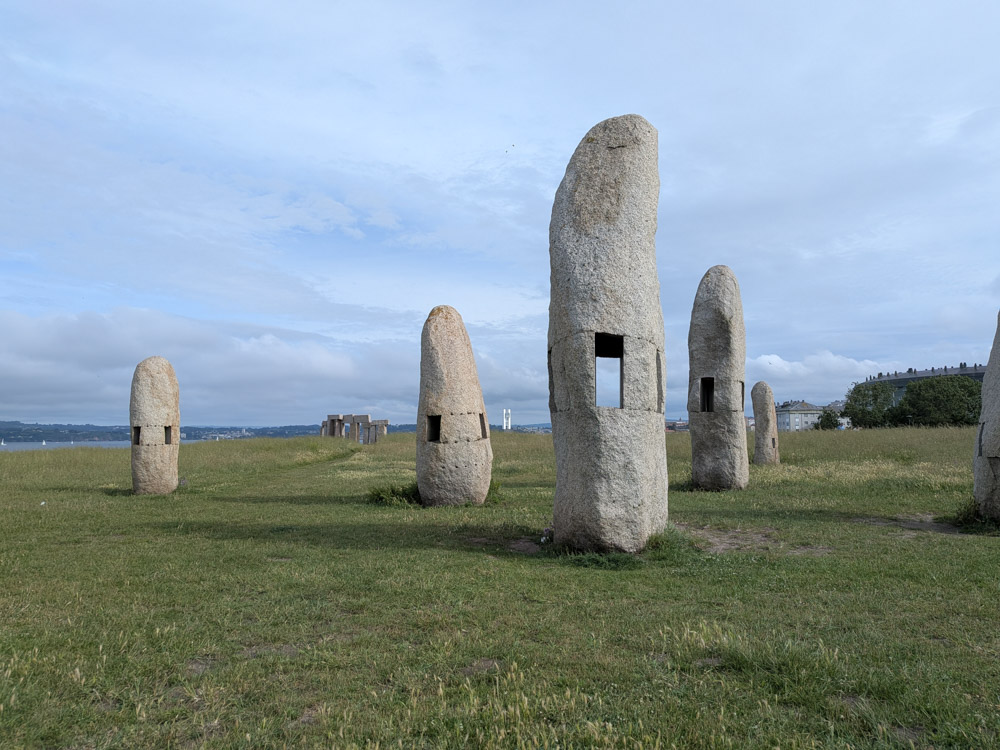
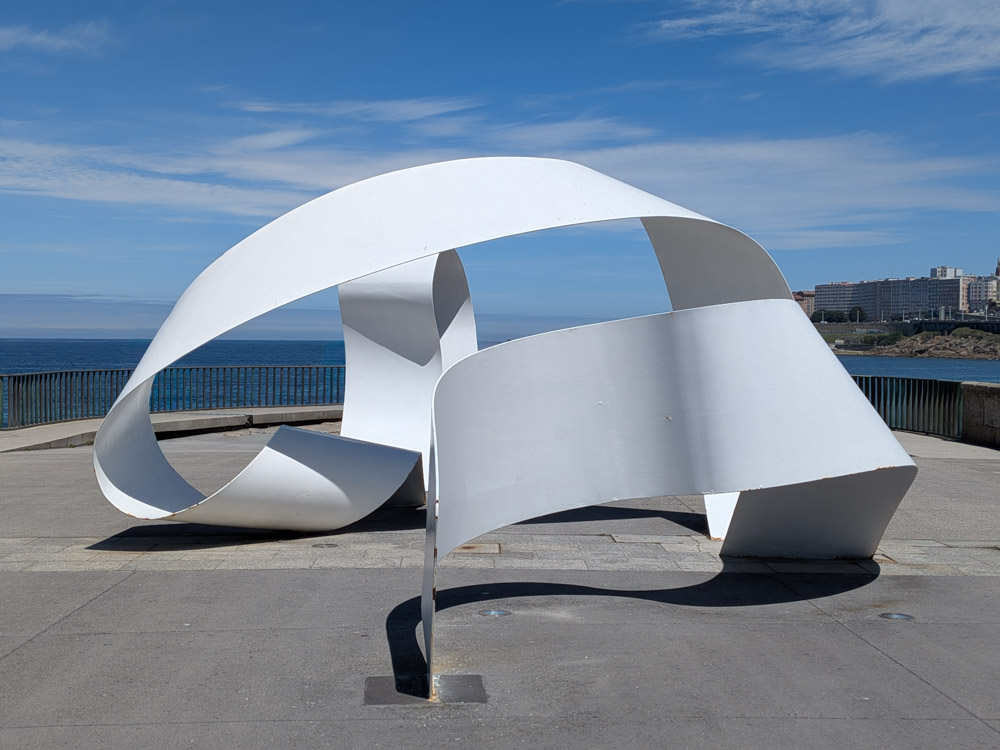
On another evening we explored the east side of the park, starting with the Caracola (sea snail) sculpture. The views were amazing, so we stopped here for a while and just watched the waves crash into the rocks. From there we followed the coastal path to the far side to see the Campo de Rata victims memorial and Monumento aos Fusilados (Monument to Those Executed) stone sculptures, and eventually continued along the Paseo Marítimo.
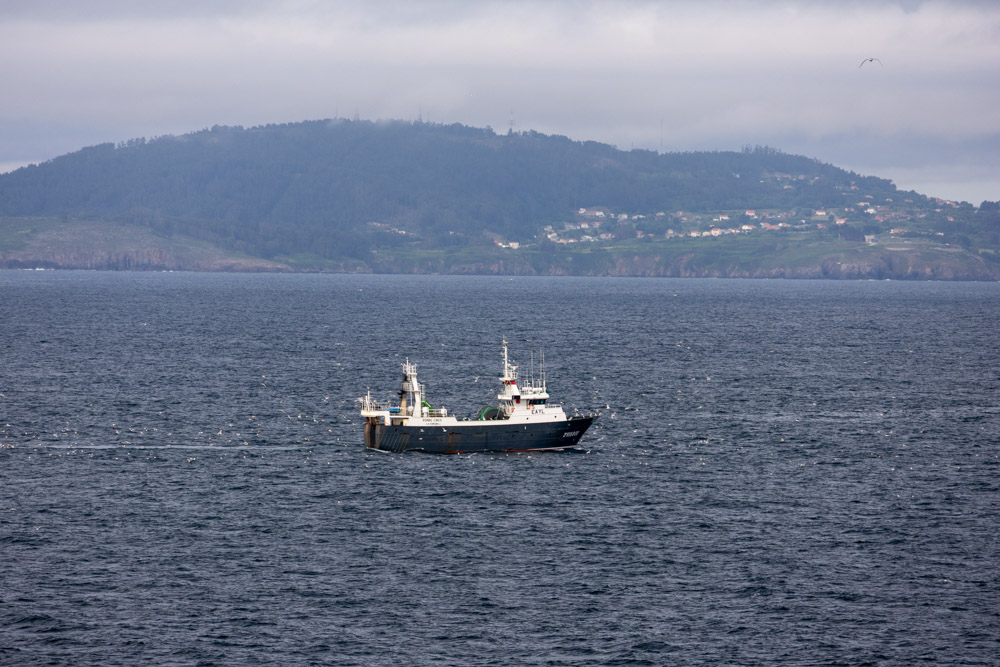
A few large fishing boats were coming in that were getting absolutely mobbed by seagulls.
Paseo Maritímo
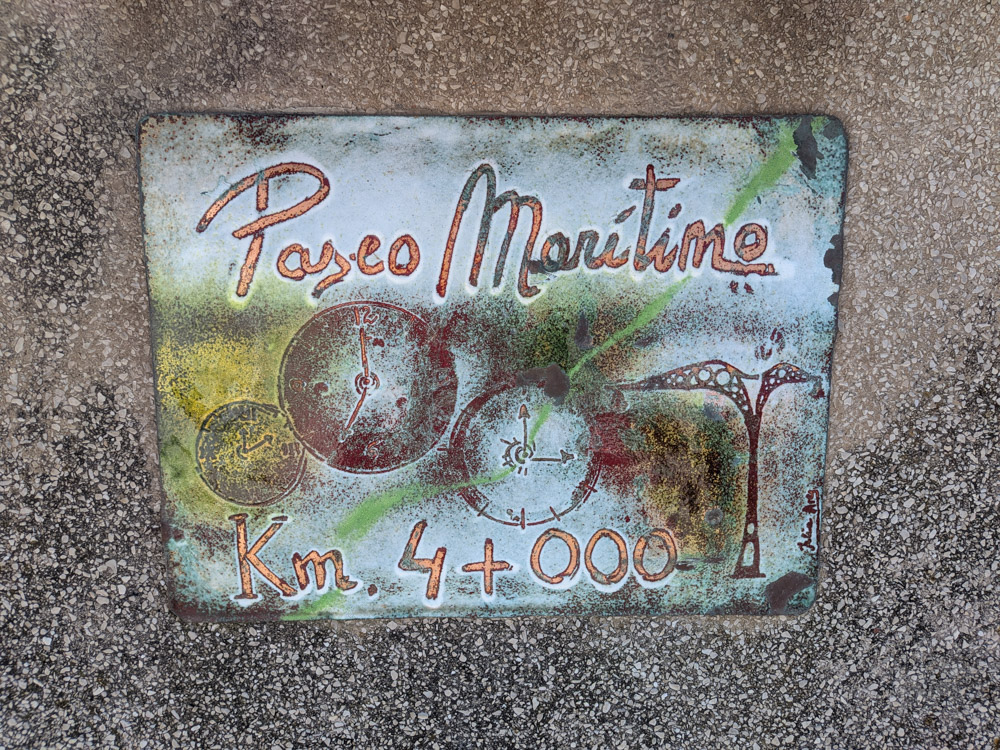
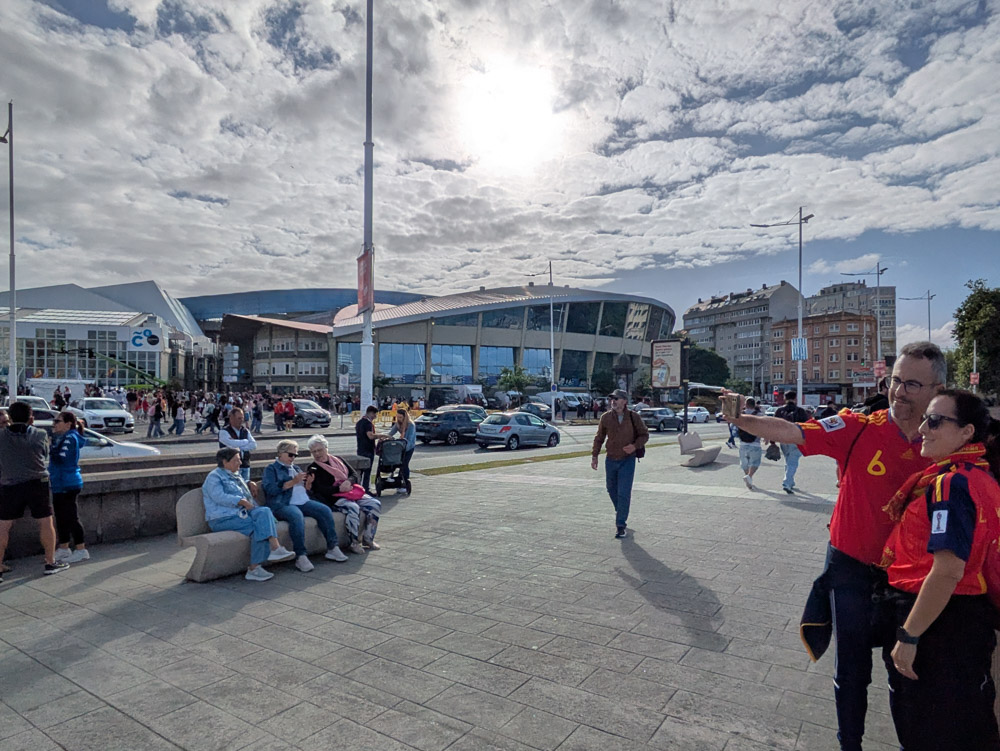
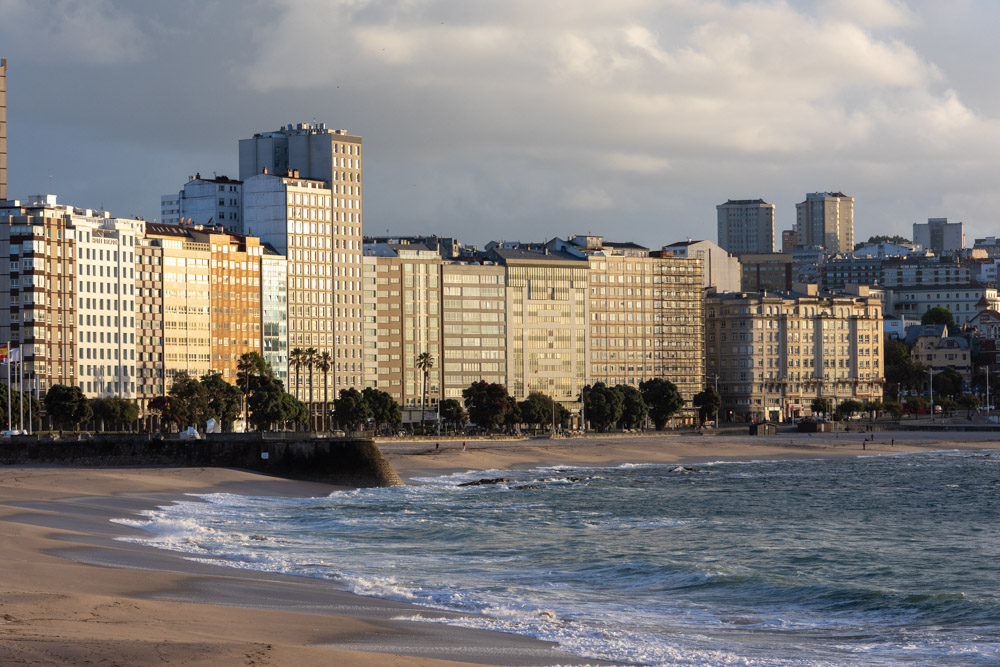
We walked a considerable amount of the Paseo Maritímo in stages during our week in town, from Praia das Lapas near the Hercules Tower, past the local fútbol stadium to the Obelisco Millenium.
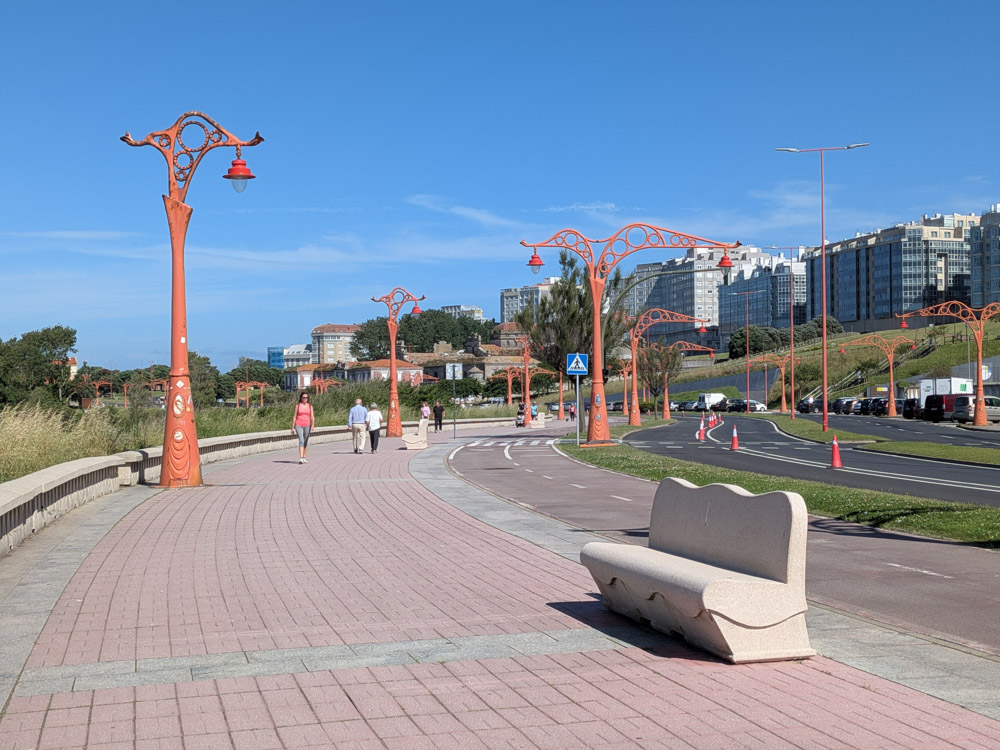
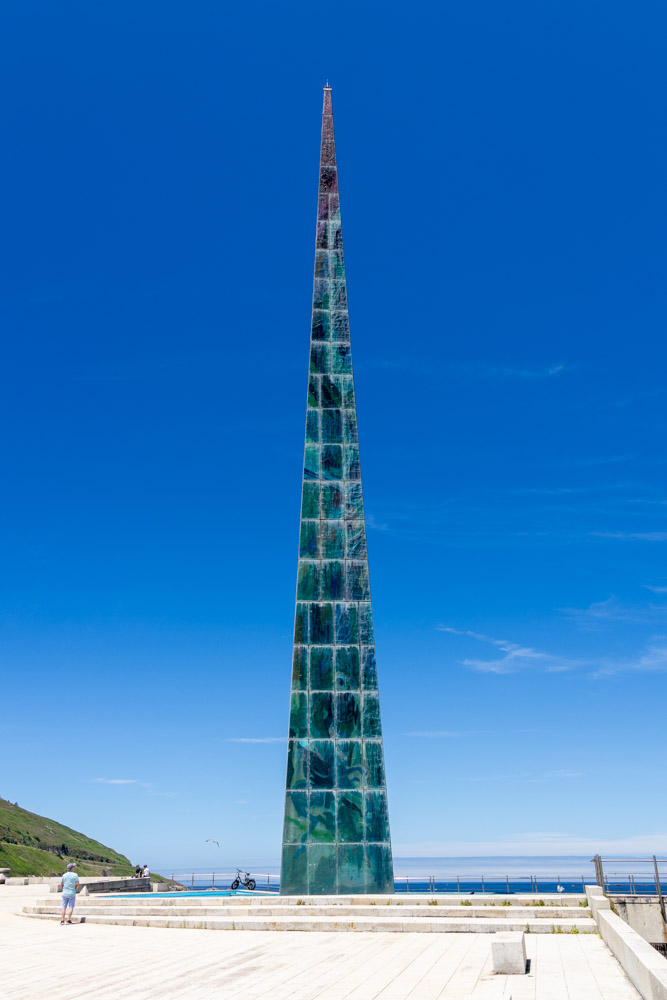
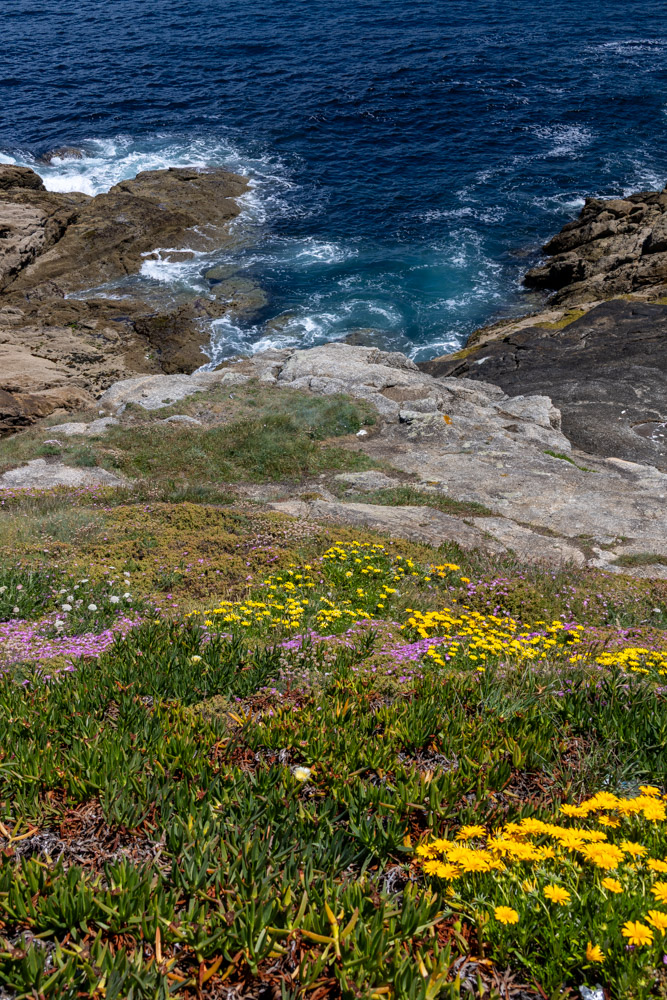
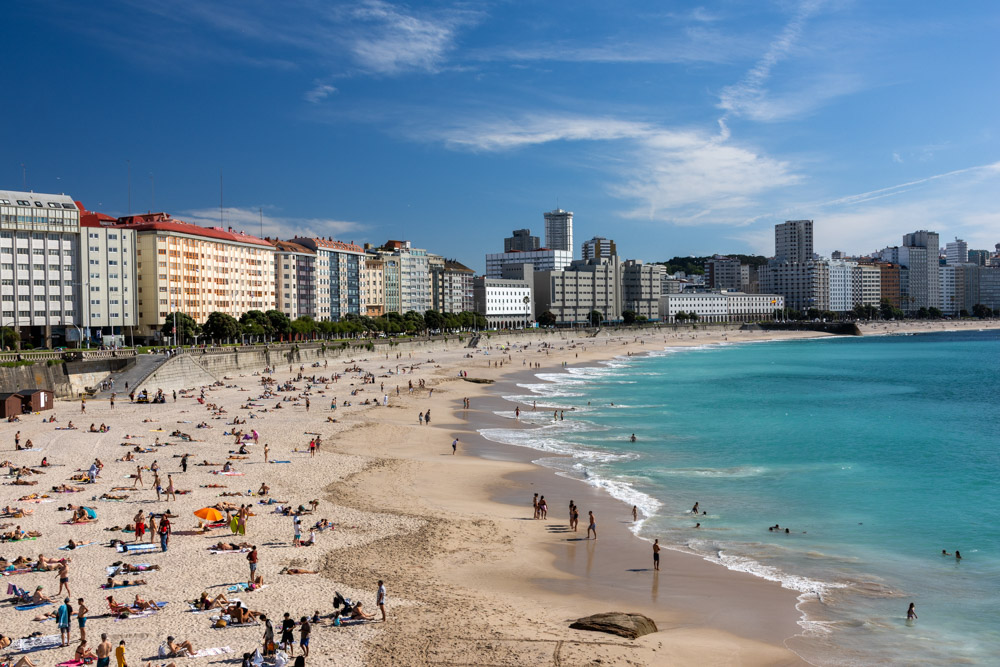
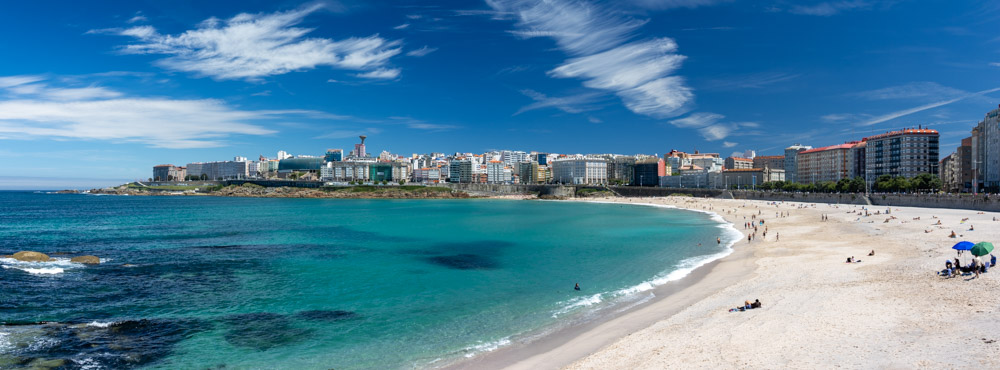
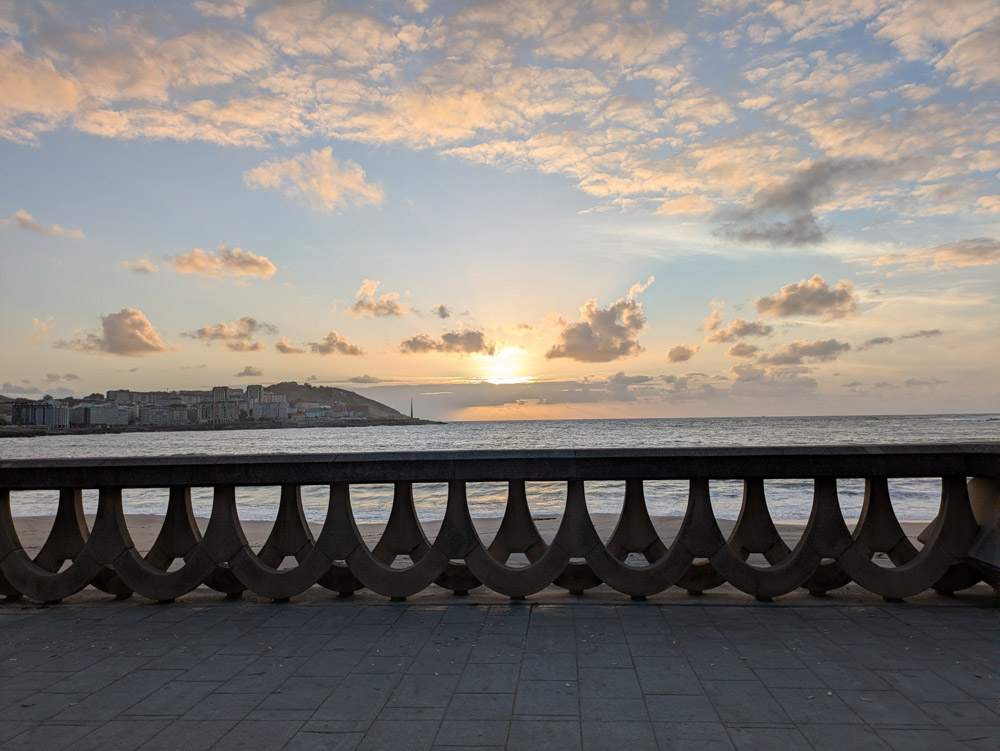
Orzán Beach in particular is a very popular spot and was teeming with people enjoying the sand and sunshine over the weekend and strolling the boardwalk at sunset.
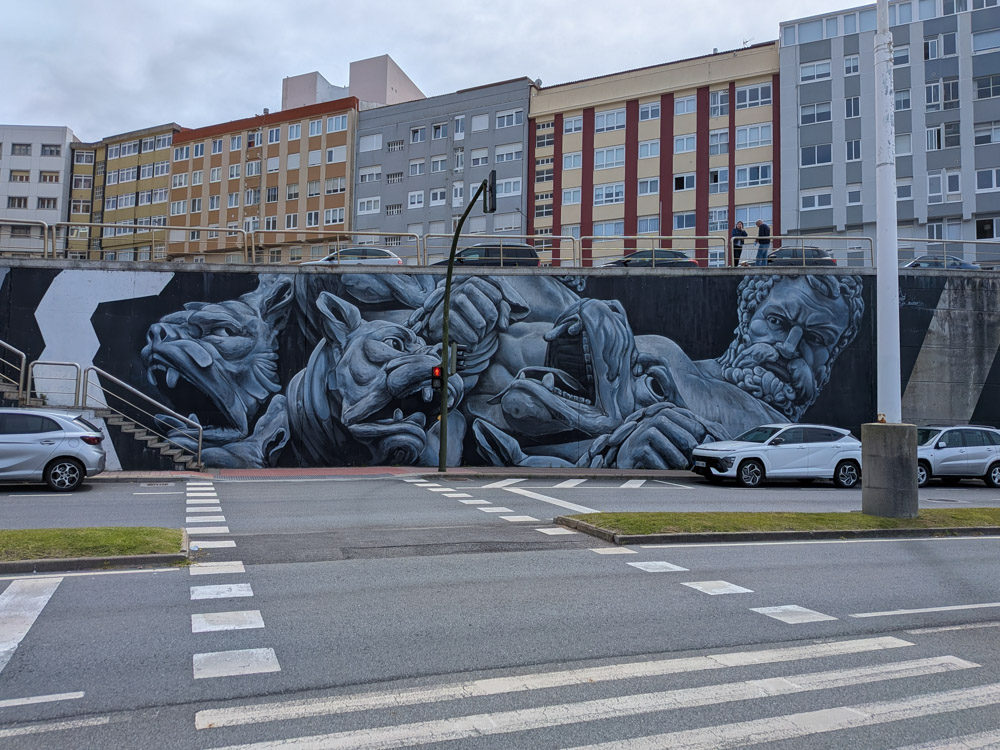
In addition to the tower, there are several Hercules references around town, including this large Hercules and Neptune mural.
The Orzan’s Heroes sculpture, a memorial to the 3 police officers that lost their lives trying to save a drowning student in 2012, was particularly memorable.
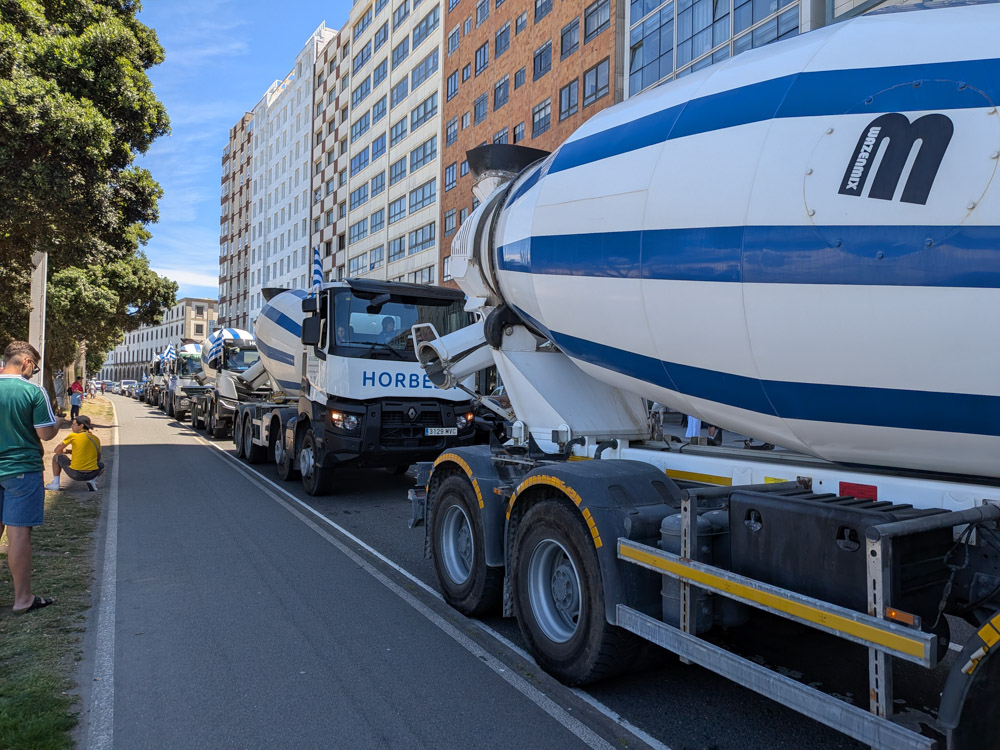
Early on in the day we saw some Gran Canary jerseys and then we noticed that A LOT of people were wearing the local Dépor jerseys. After a quick Google search, we discovered that the last game of the La Liga Segunda league was today AND the local team, regardless of the outcome, was going to be promoted to La Liga next year. Let’s just say spirits were high! As we approached the stadium, the crowds were getting more lively and on the way back it was pandemonium for the home team – multiple cement trucks drove slowly through town decked out in blue and white stripes, blaring their horns, and lots of other vehicles were also honking and waving flags.
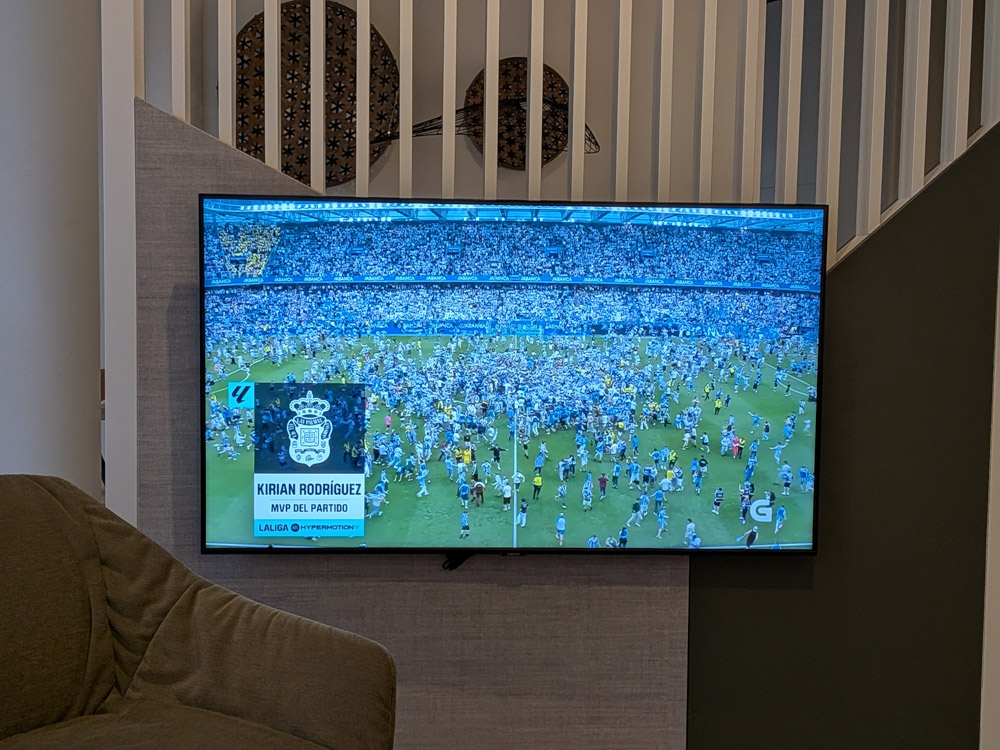
We were able to watch the football match on TV at our apartment, and fans invaded the pitch even though they lost, celebrating their promotion to La Liga! On our brief walk along the beach after dinner we saw lots of blue and white shirts, and at least one pilfered stadium seat going by…
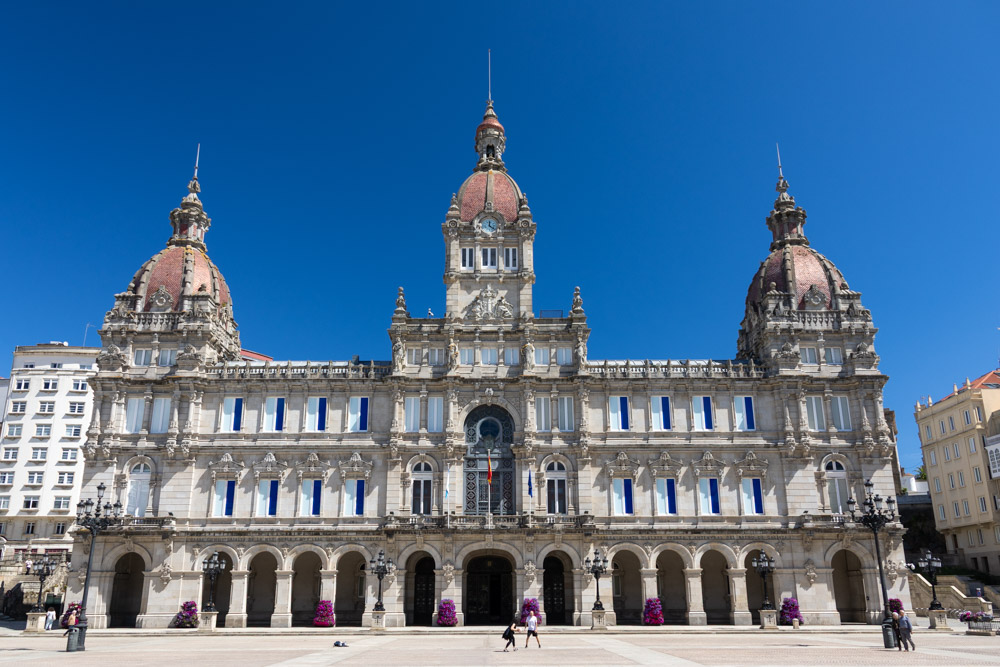
Praza de María Pita
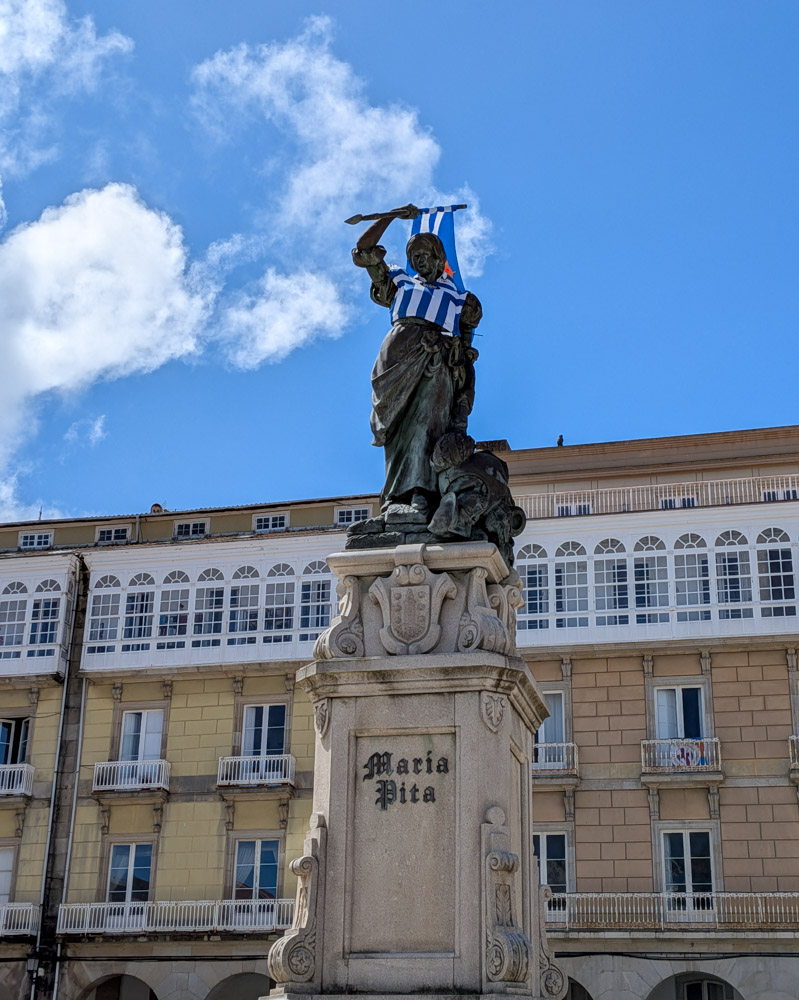
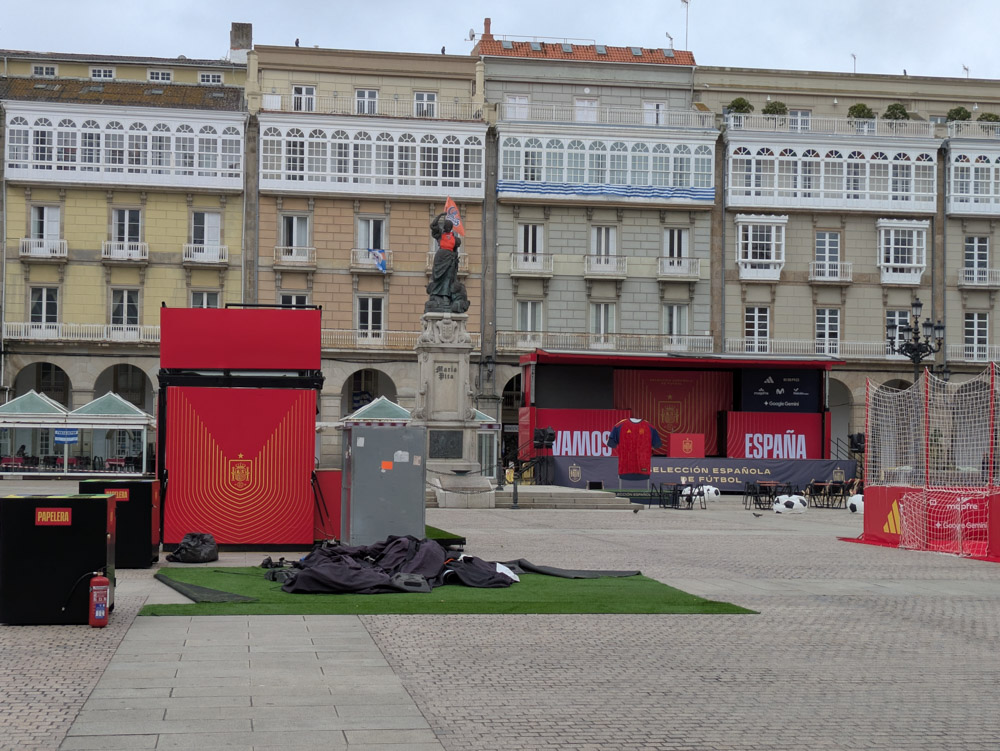
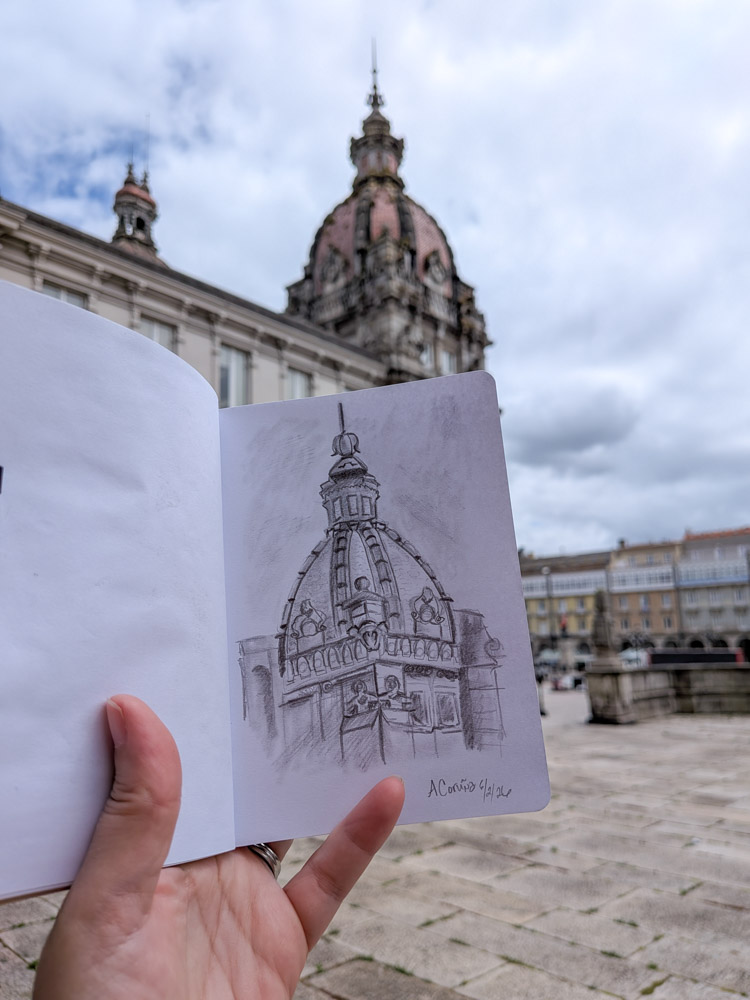
Just around the corner from our place was the massive town hall in Praza de María Pita.
The María Pita statue sported multiple kits during the week, as there were different football games being played. First it was in support of Dépor and then support for the national team once the World Cup friendlies started.
Markets
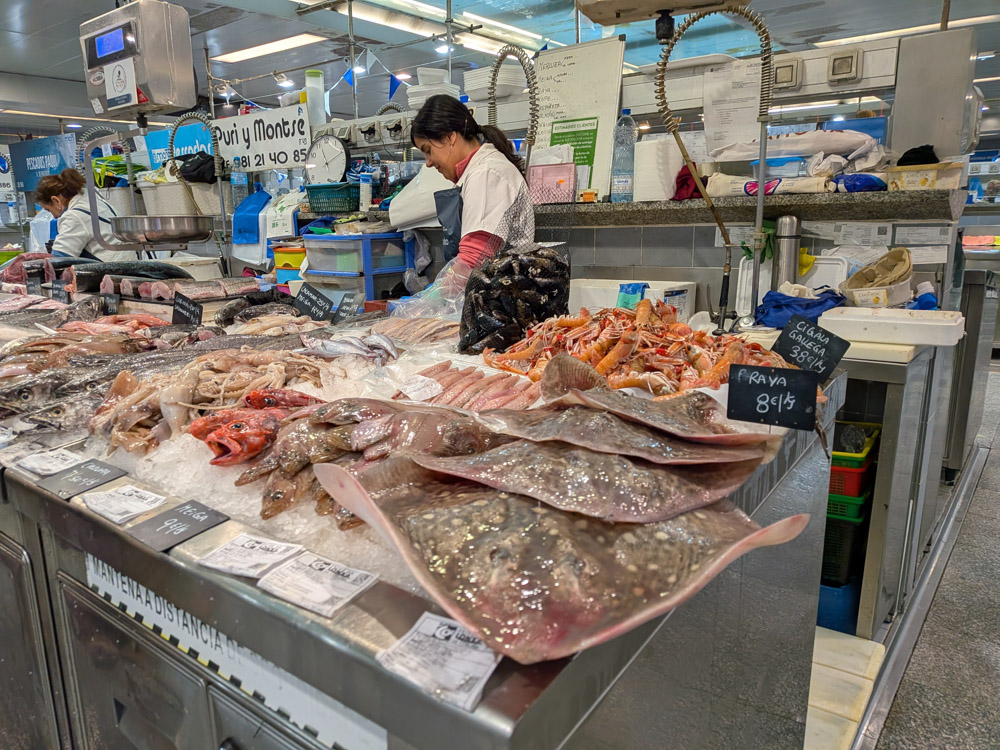
The largest wet market was about 20 minutes away from us, with three levels of fish, cheese/meat and fruit. Lots of seafood options, all with similar pricing.
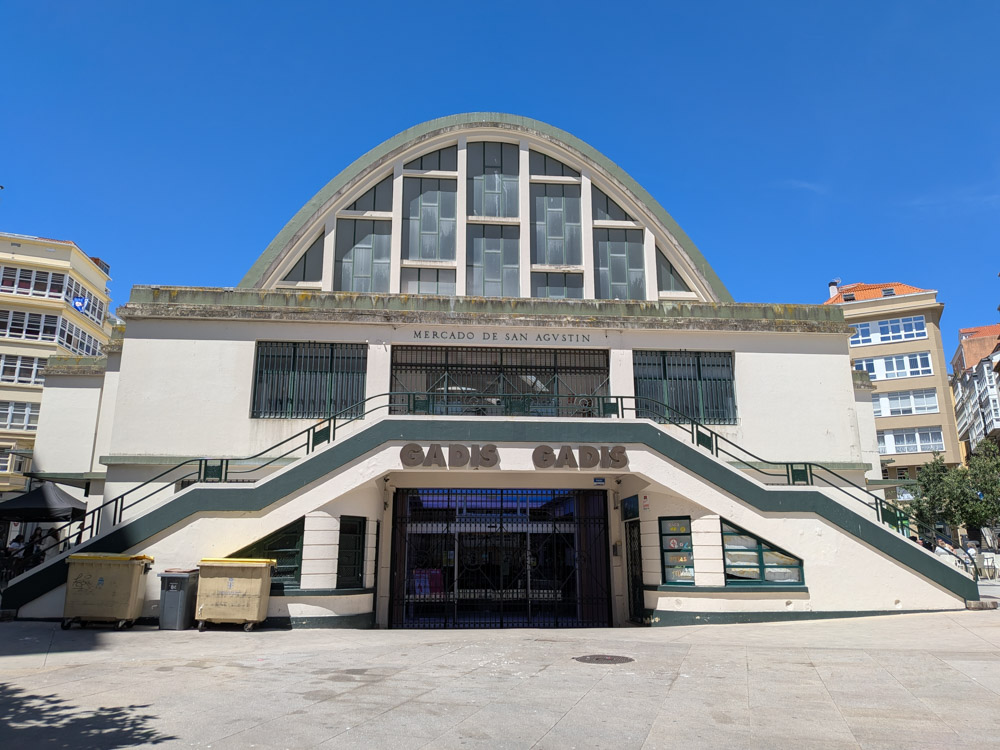
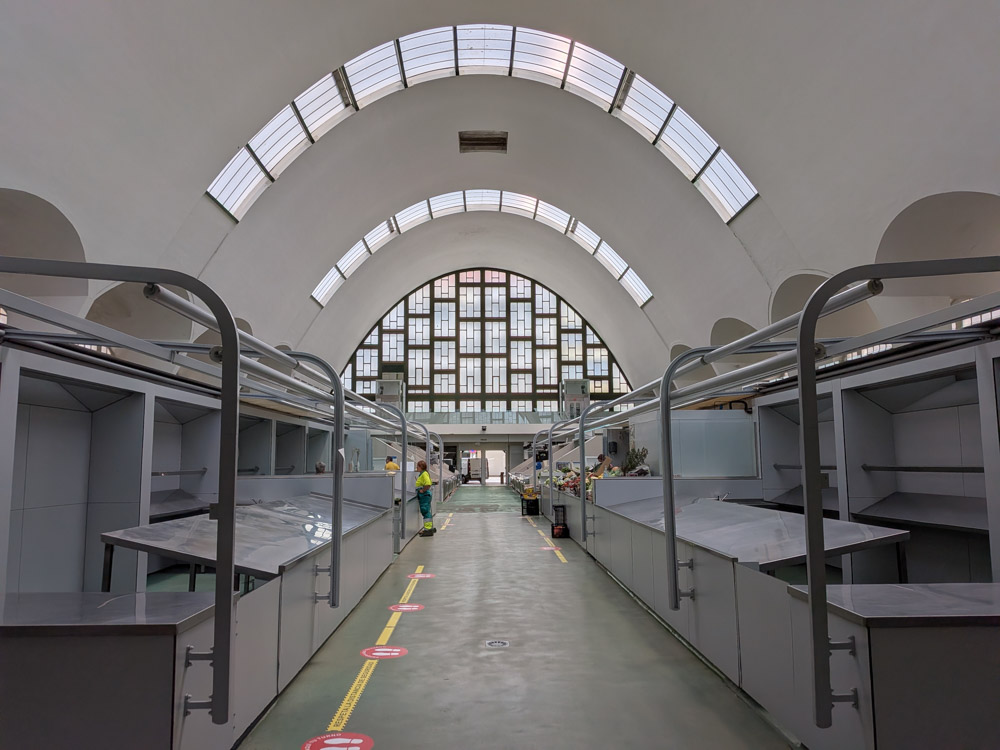
The San Agustin market very close to our hotel was more picturesque but, sadly, almost no stalls were open.
A Coruña Marina and Gardens
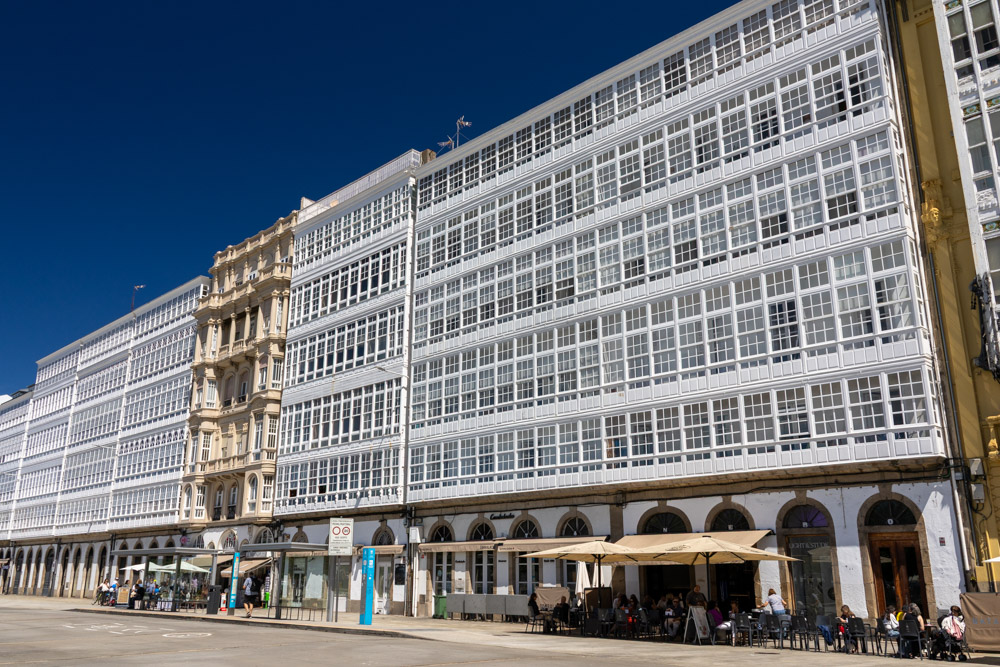
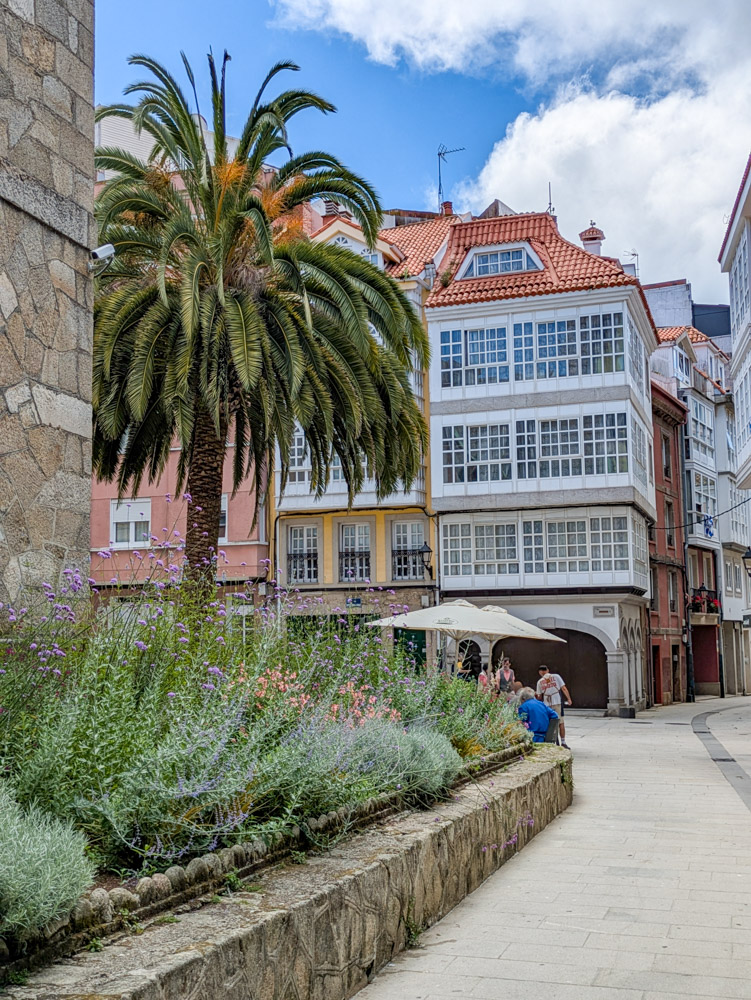
Another area we enjoyed exploring on foot was the Parque da Mariña, home of the iconic glass-enclosed balconies that capture heat during the chilly Atlantic winters.
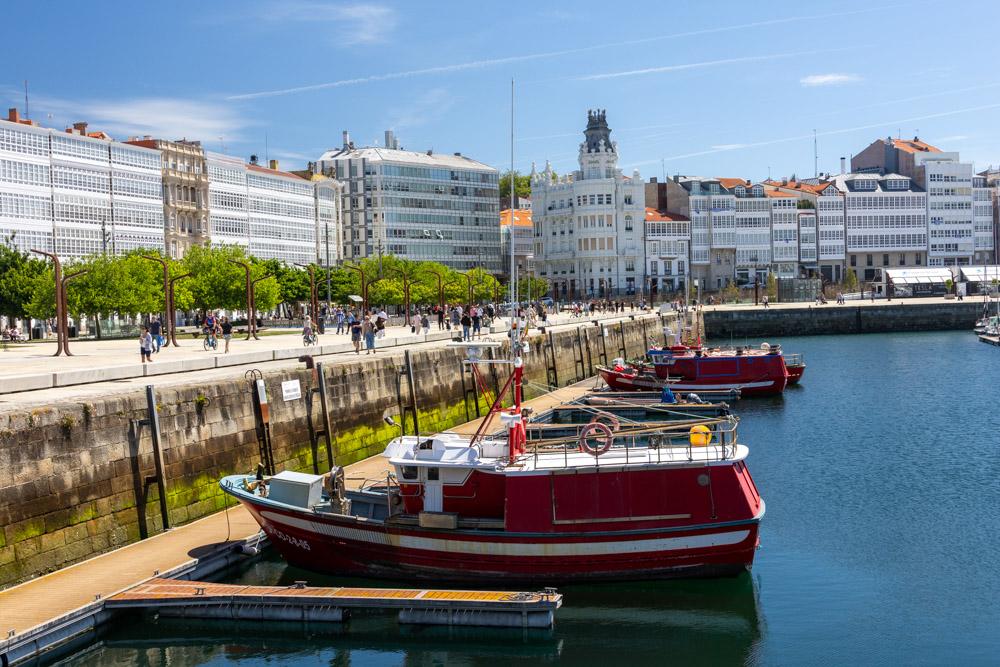
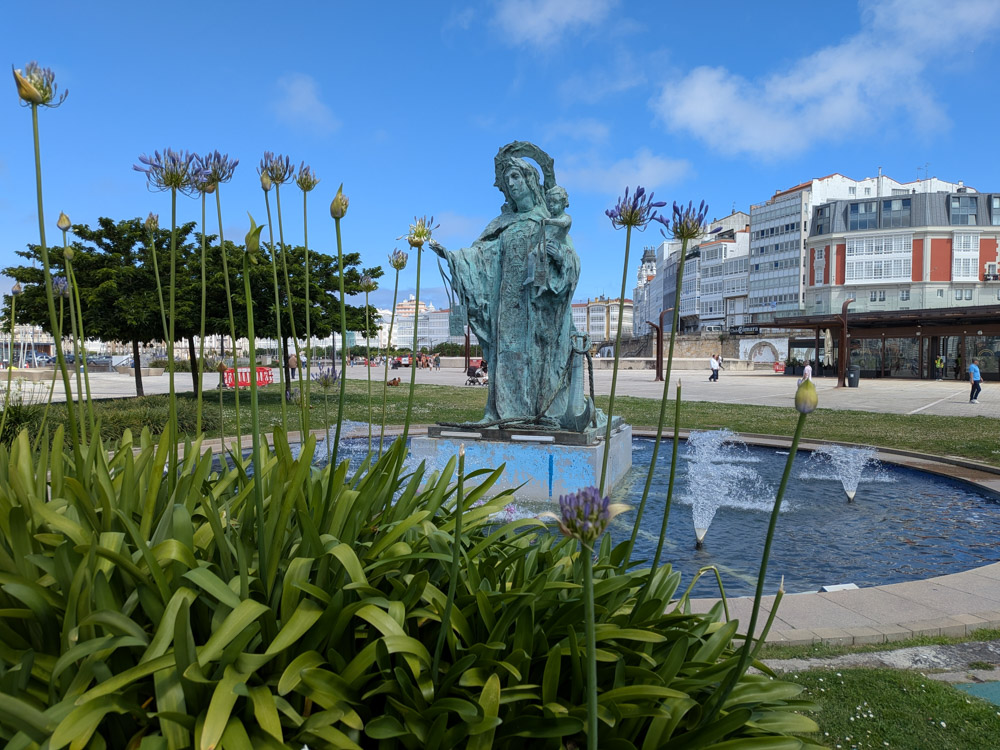
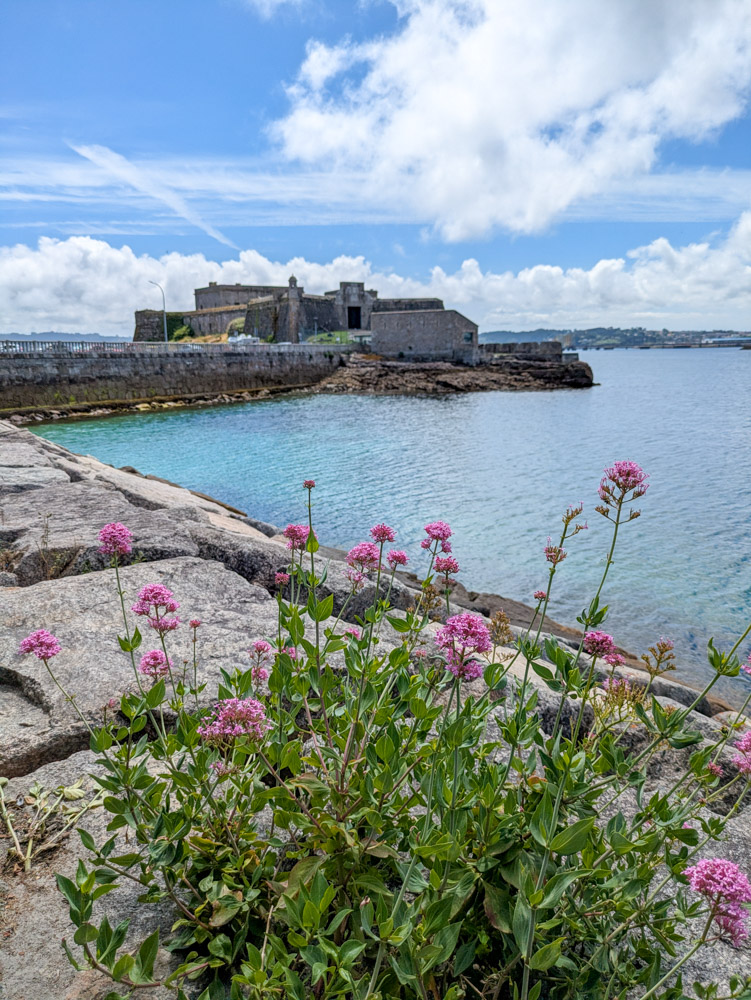
Near the marina is the Castelo de Santo Anton, where we admired the boats, swimmers, and the sculpture, Monumento á Virxe do Carme. We didn’t go inside but the surrounding views were worth the walk over.
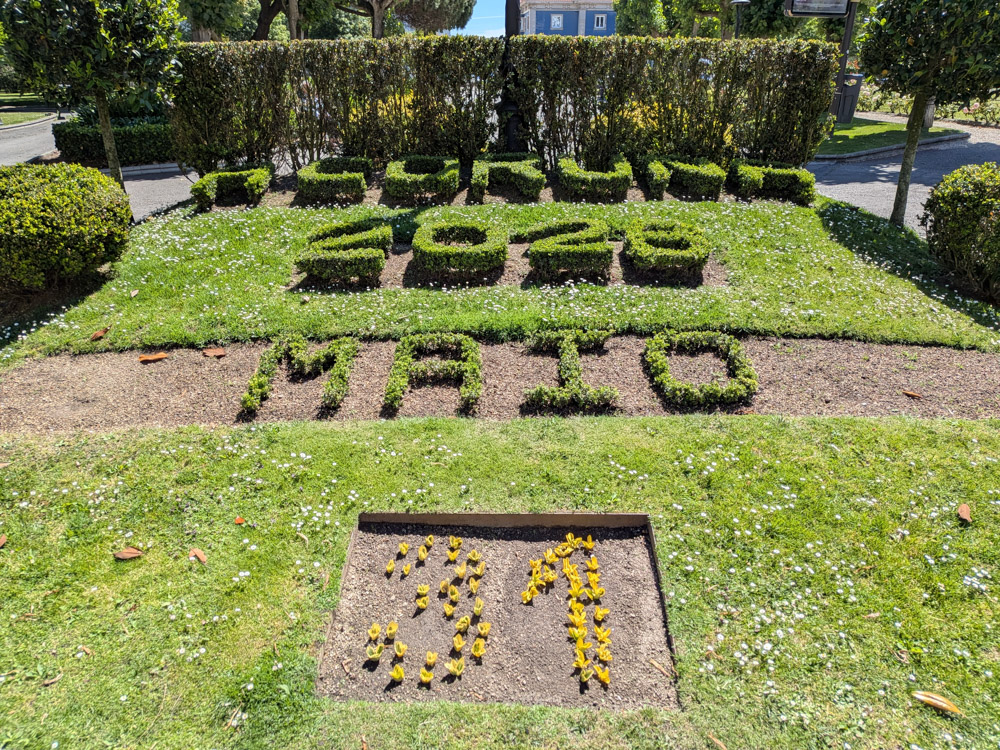
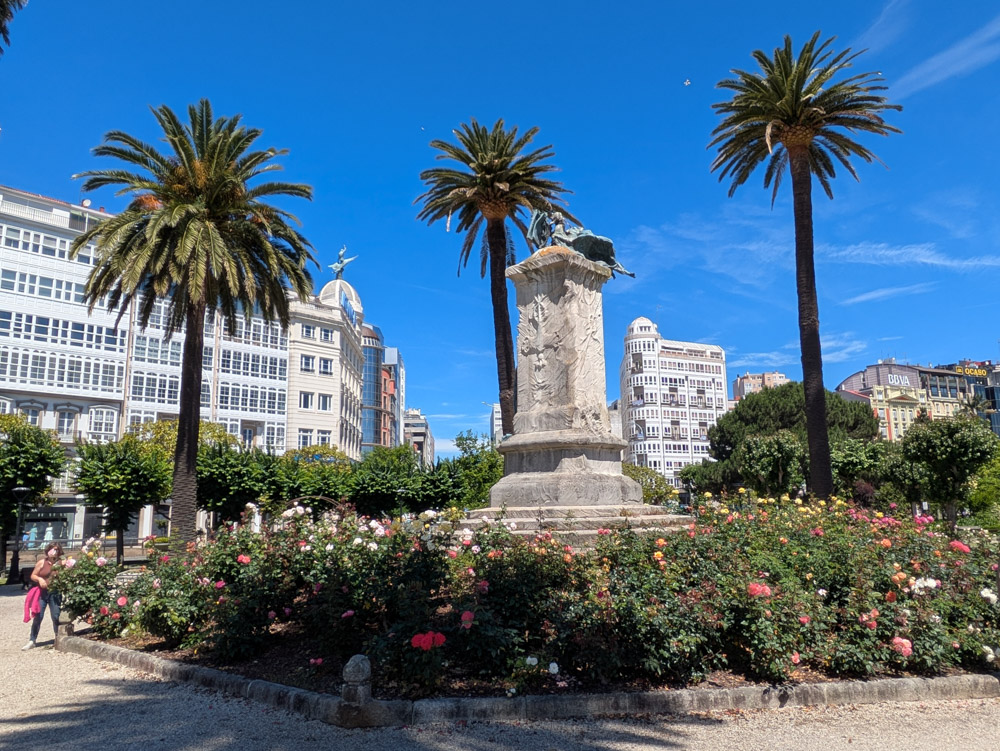
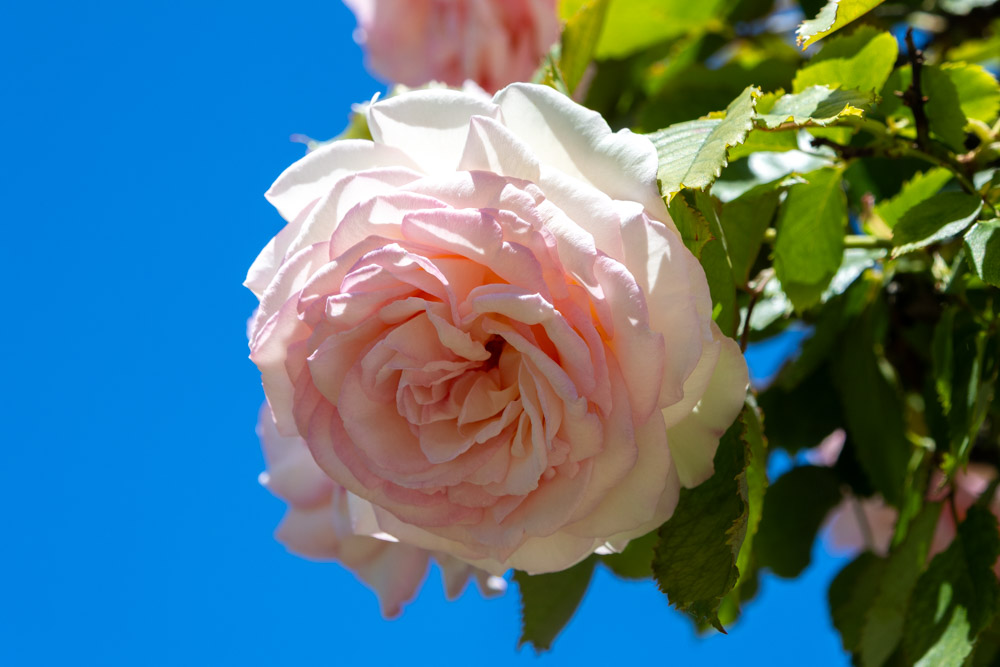
There were a few memorable gardens as well, including the gardens of Méndez Núñez, with its beautiful roses and a calendar garden that changes daily.
We also stopped into the Xardín de San Carlos and the Tomb of Sir John Moore, where there are plantings from around the world.
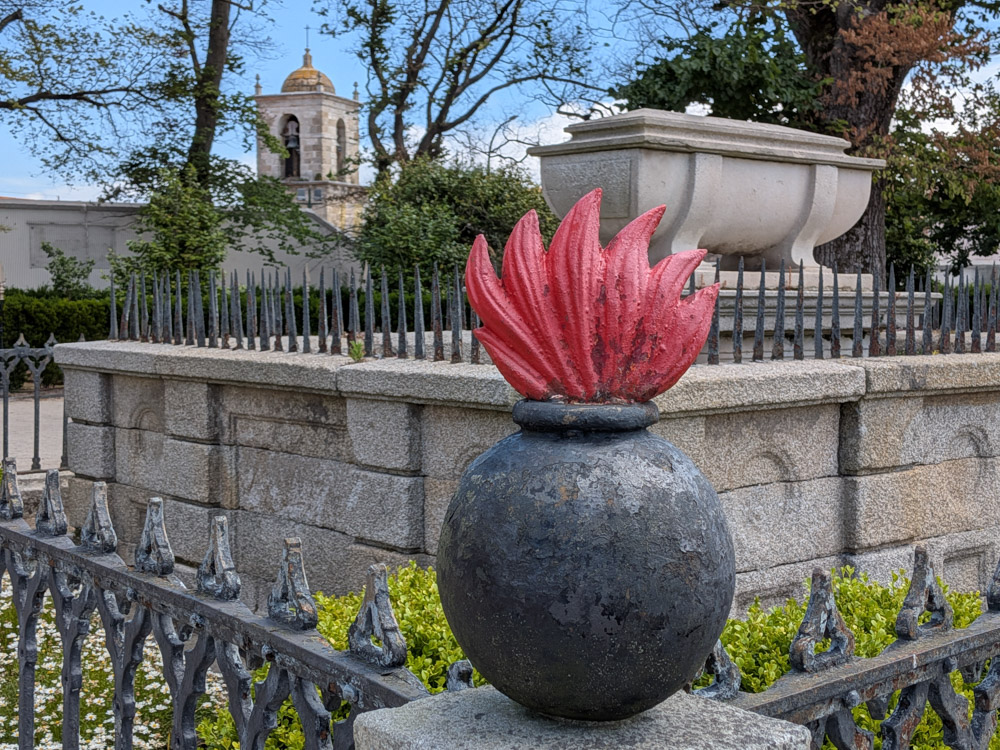
This part of the city was very charming with very narrow streets, and it felt like we had stepped into a smaller, different town altogether.
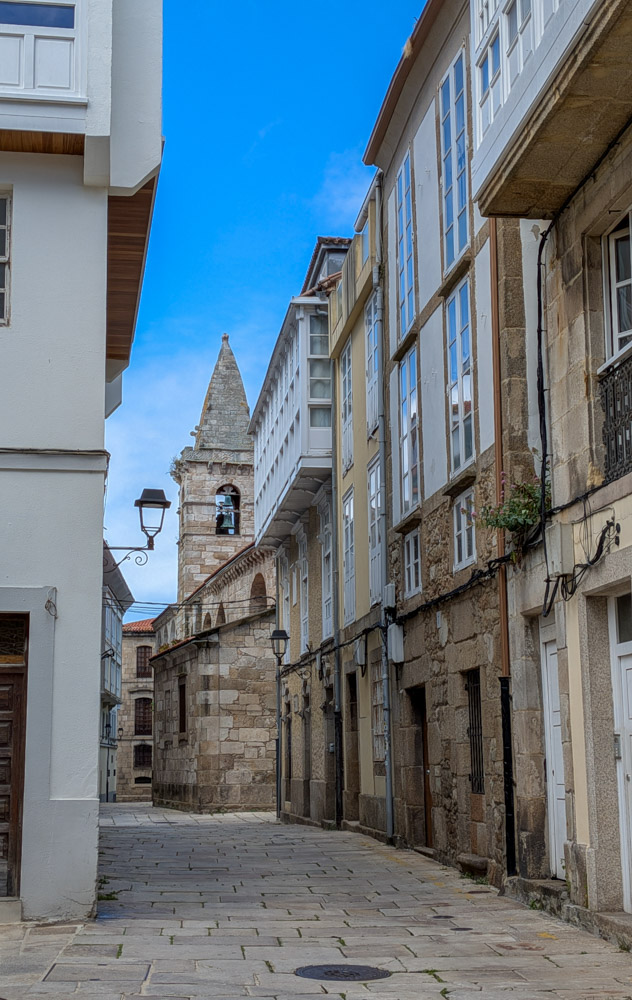
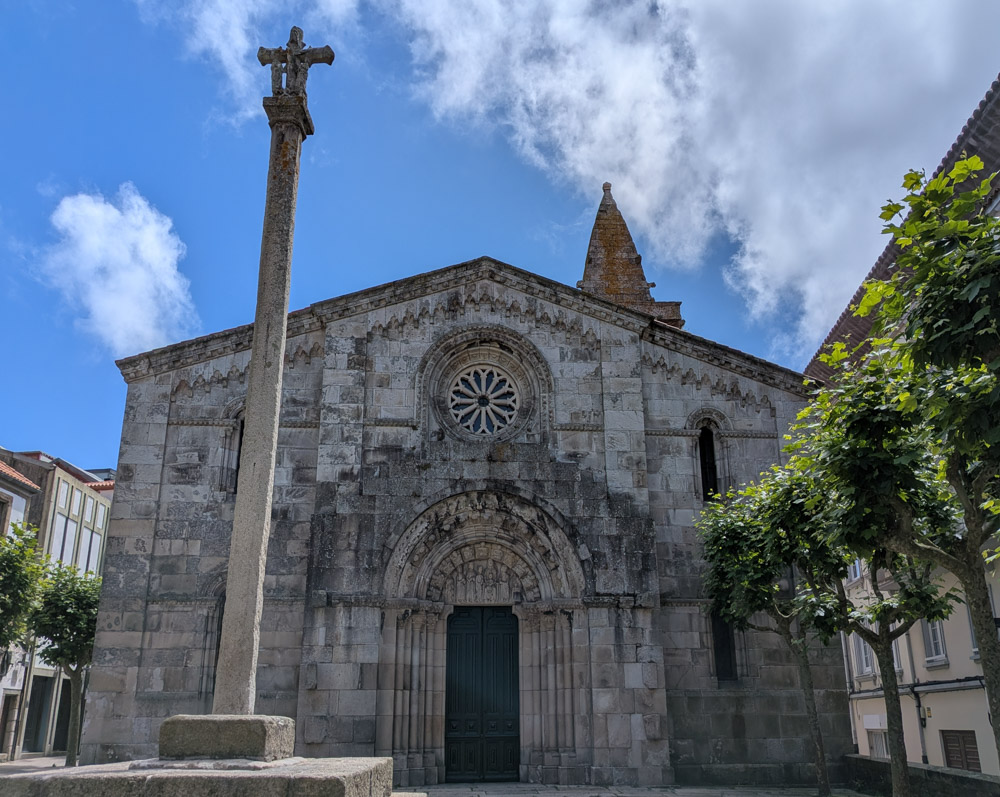
Gothic Colexiata de Santa María do Campo
Museums
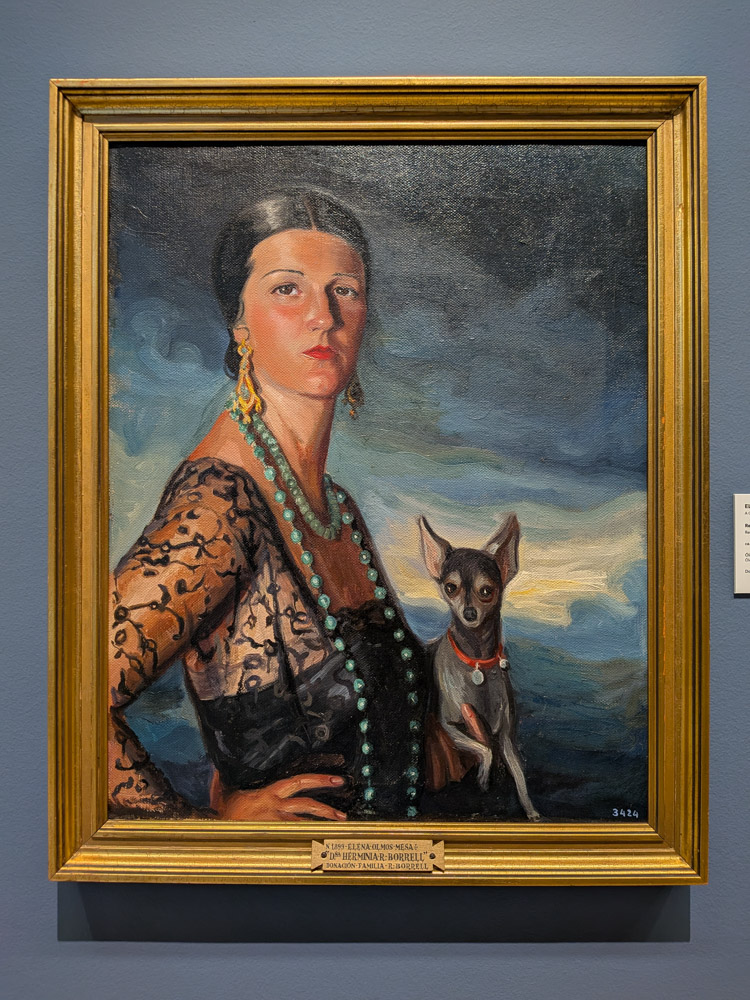
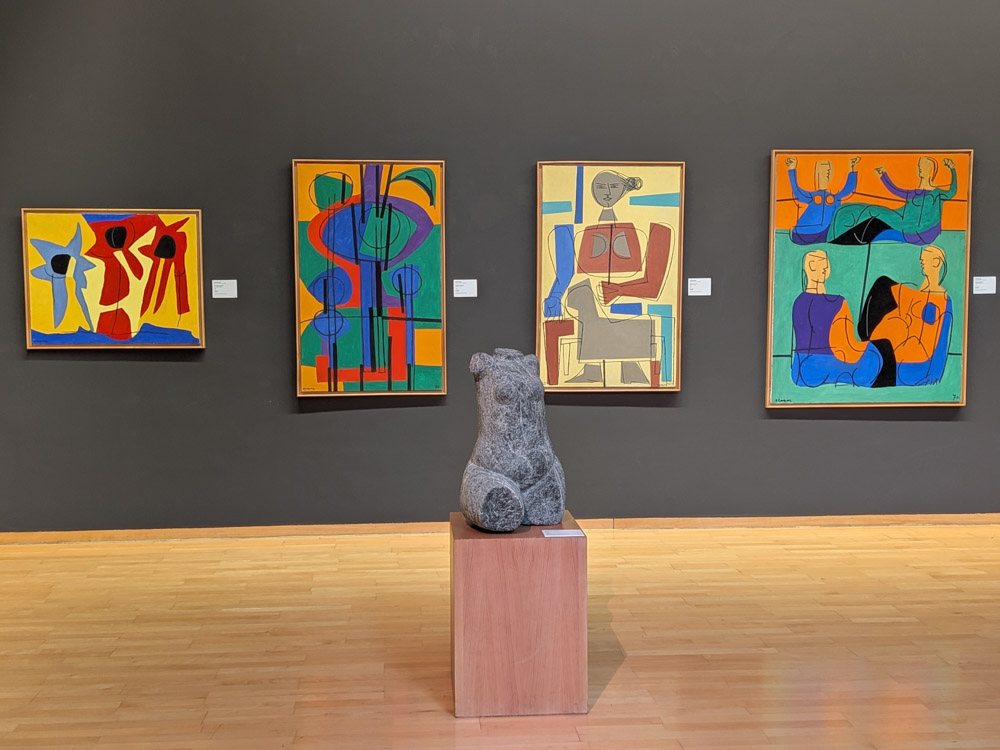
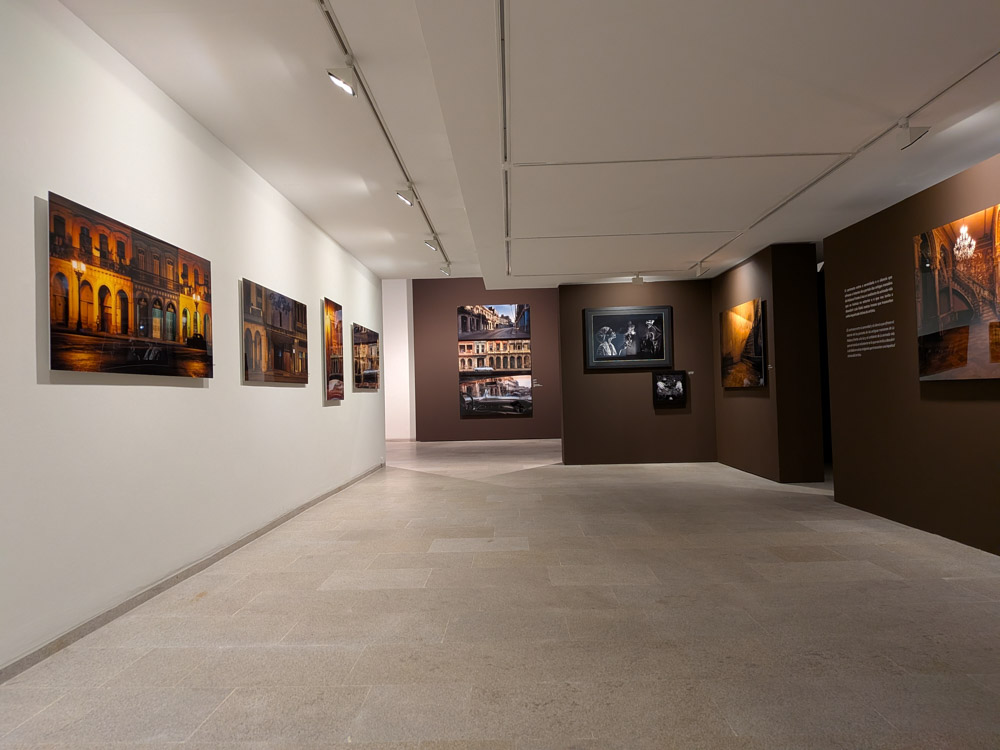
The Fine Arts Museum was right around the corner from our place, open from 10-8 most days, and free! Although it is a small collection, most of the artists had a connection to Galicia and there were some notable works. Especially cool was the room of Goya etchings and a current exhibit of large scale photography of Havana, Cuba, at night by Luis Gabú.
Inspired, I took a break from my computer and went out to sketch the dome of the city hall building. 🙂
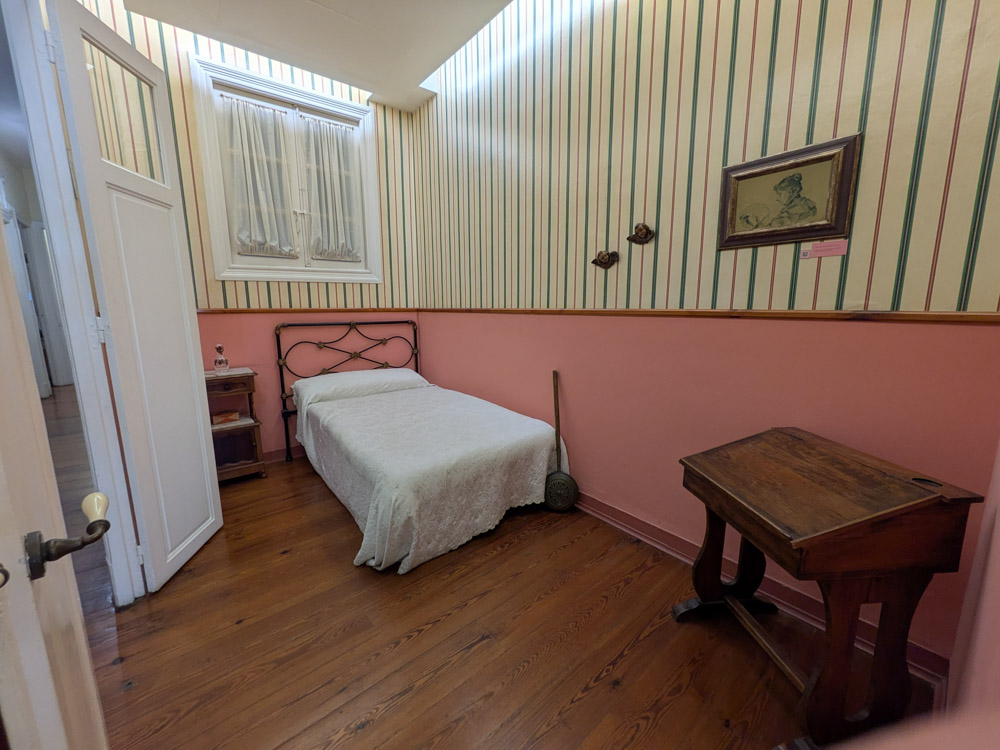
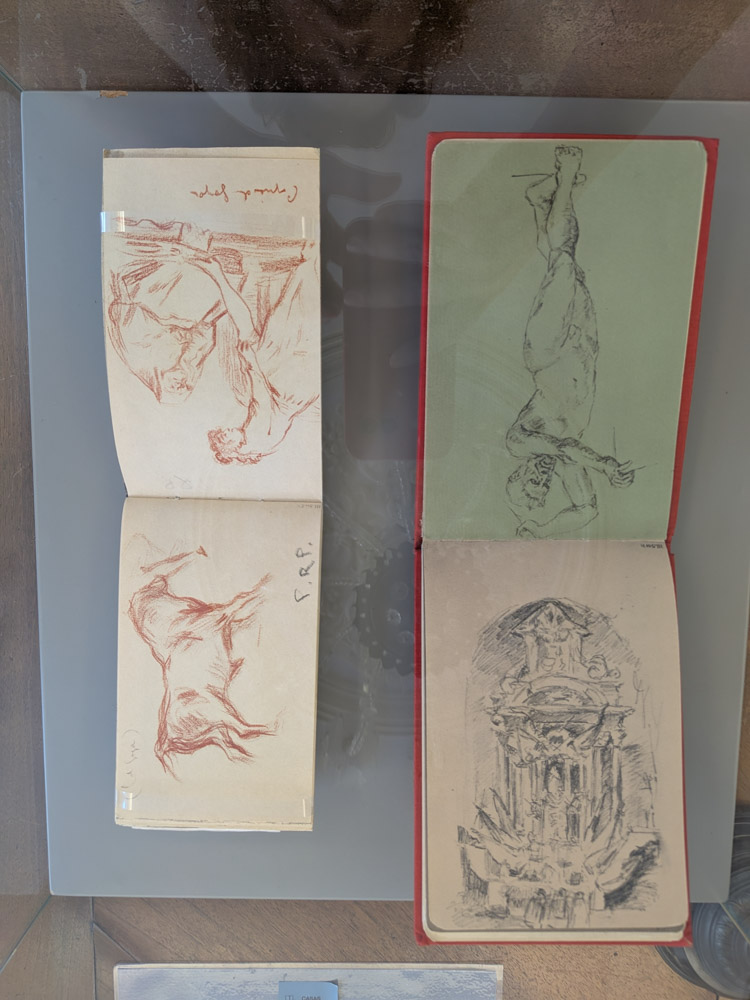
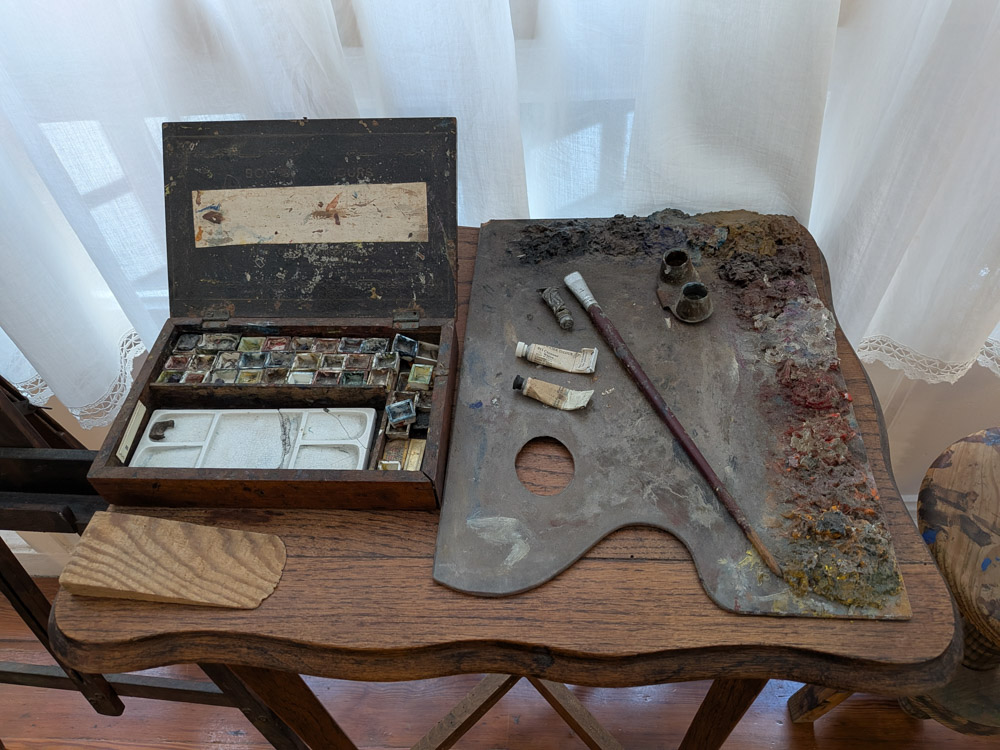
Another small (and free!) museum, Casa Museo Picasso, was tricky to find. We visited the ground floor artists gallery but didn’t see a way into the museum itself. Apparently the door is to the left of the gallery and you have to buzz yourself in using the Casa Picasso floor button. The apartment is located on the second floor of a still in-use building. Picasso lived here for about four years as a kid, when his father was a local art teacher during that time. So, you can see Picasso’s bedroom, small art kit and some sketch books of his during that time. A time capsule of the early 1900s and well worth a quick visit.
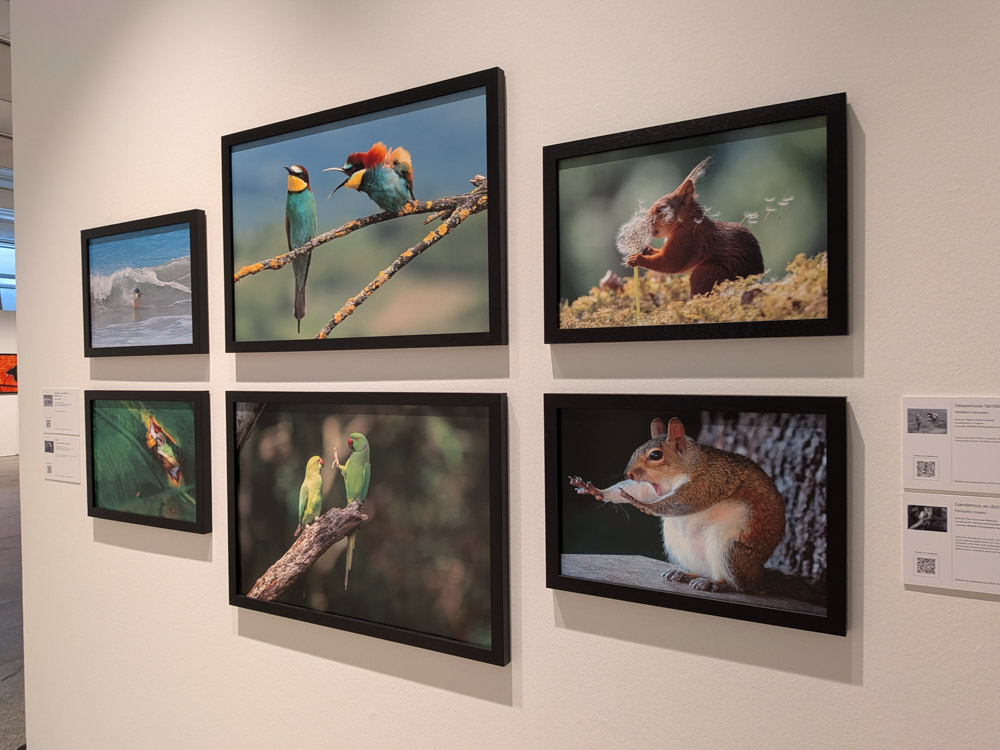
A fun surprise was finding the free photo exhibition on Comedy Wildlife (photographs selected in the renowned Comedy Wildlife Photo Award, from 2015 to 2022) in the Afundación space. We stopped in to admire the works, some were very silly – worth a quick visit if you see it advertised.